Last updated June 2026. Entry requirements, ticket prices, and permit conditions can change — confirm before departure.
Three days in Lhasa is the minimum that allows you to see the main sites properly. It is also tight enough that the sequence matters. Arrive at 3,650 metres and your body needs time to adjust — and that adjustment shapes everything about what this itinerary does and does not include on day one.
The three-day structure here puts the lowest-effort day first, the hardest site second (after one night's rest but before cumulative fatigue sets in), and the most time-sensitive experiences on the third day. Follow it approximately, not rigidly — but do not rearrange the days.
Is This Itinerary Right for You
Good fit:
First visit to Tibet, travelling three to five days — this framework works as a standalone or as the opening three days of a longer trip. Primarily interested in religious architecture and living Buddhist practice — all three days stay within Lhasa city, requiring no additional permits beyond the standard Tibet Travel Bureau permit. Willing to treat day one as an adjustment day rather than a full sightseeing day.
Not a good fit:
Planning to reach Namtso Lake or Yamdrok Lake within three days — both require an Alien Travel Permit on top of the Tibet Travel Bureau permit, and the round-trip logistics cannot be fitted into a three-day window. History of severe acute mountain sickness at altitude — consult your doctor before planning any itinerary to Tibet, and consider allowing additional acclimatisation time.
Route Overview
| Day | Theme | Core Activity | Physical Demand |
|---|---|---|---|
| Day 1 | Arrival & Adjustment | Zongjiaolusang Park + Barkhor Street | Low |
| Day 2 | Potala Palace | Timed entry, morning slot recommended | High |
| Day 3 | Temple + Debate | Jokhang (early morning) → Sera debates (afternoon) | Moderate |
Why this order:
Day 1 is kept light by design. Flights into Lhasa typically arrive between noon and early evening. Altitude sickness symptoms appear two to six hours after arrival at this elevation. Slow ground-level walking gives the body what it needs without losing the day entirely.
Day 2 places Potala Palace at the earliest point where the body is meaningfully more adjusted than on arrival. The climb is equivalent to roughly thirteen floors at 3,650 metres. The full afternoon is kept free for recovery.
Day 3 uses two distinct time windows that fit together well: Jokhang Temple is most worth visiting before 9:00 am, and Sera Monastery's debates run 3:00–5:00 pm. The gap between them is used for rest.
Estimated admission costs (excluding accommodation and transport to Lhasa):
- Potala Palace: ¥200
- Jokhang Temple: ¥85
- Sera Monastery: ¥55
- Zongjiaolusang Park: free
- Total: ¥340
City transport across three days (taxi): approximately ¥100–150. Meals at mid-range Tibetan and Chinese restaurants: ¥300–450.
Day 1: Arrive and Adjust
The principle: Do not attempt Potala Palace or a full temple visit on arrival day. This recommendation comes from travellers who did it anyway and spent the following days recovering rather than sightseeing. A slow afternoon is not lost time — it is what makes days two and three possible.
Zongjiaolusang Park (free)
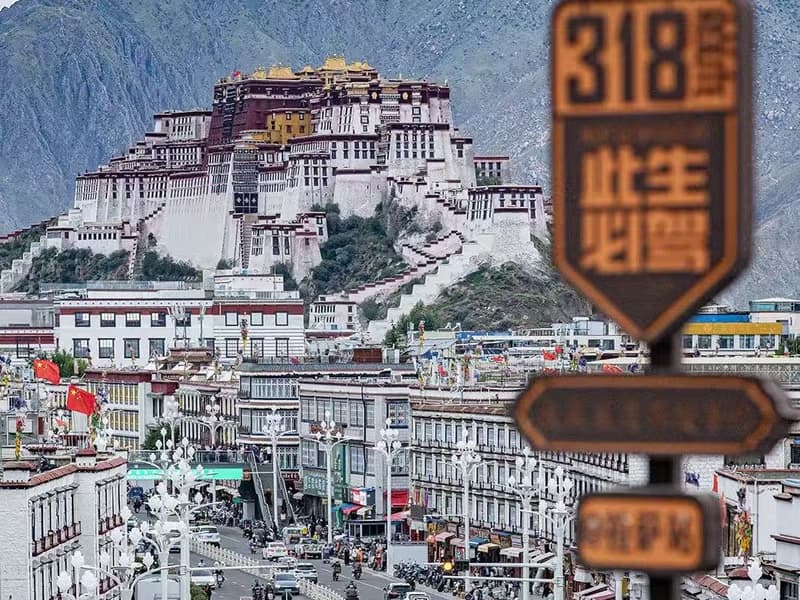
This public park sits on the western side of Potala Palace. A circuit of the lake takes 30–45 minutes at a relaxed pace. The north side of the lake offers a direct view of the palace reflected in the water — one of the most-photographed angles in Lhasa, reached without any climbing.
The first hour after sunrise gives the best light and the fewest other visitors. Mid-morning arrivals work too — the park is active throughout the day with local residents walking, exercising, and playing cards beneath the trees.
Barkhor Street (free)
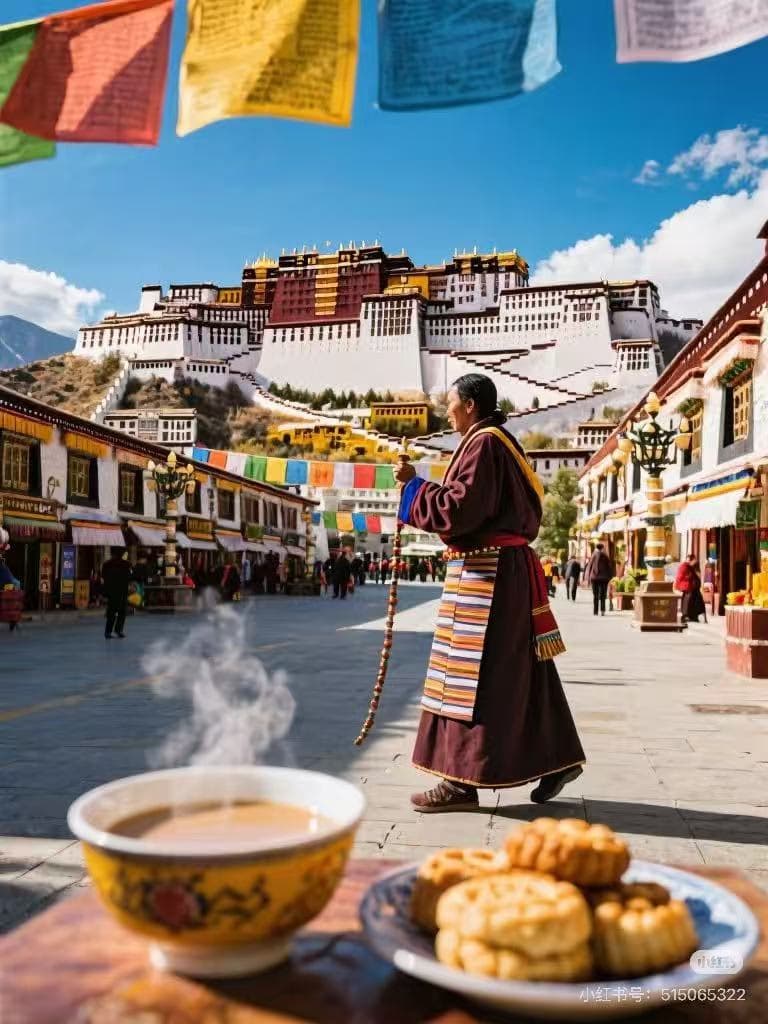
The pilgrimage circuit around Jokhang Temple runs approximately 800 metres. The 4:00–6:00 pm period sees the highest concentration of people completing koras — the ritual clockwise circumambulation performed by Lhasa residents daily. Hundreds of people walk the circuit with prayer beads, past incense burners and shop fronts, in a rhythm that has run without interruption for centuries. This is the most immediate encounter with daily religious life in Lhasa that costs nothing and requires no planning.
Keep the walking pace slow. Even mild exertion feels more effortful at this altitude than at sea level.
Evening: Eat a full meal and drink water. Avoid alcohol — it accelerates dehydration and noticeably worsens altitude symptoms. Aim to sleep before 10:00 pm.
What to expect physically: Mild headache, slight nausea, difficulty sleeping, and general fatigue are normal first-night responses at this elevation. They typically improve after one night's rest.
If symptoms worsen over the first 24 hours rather than improving, or if you experience breathlessness at rest, persistent and severe headache, or confusion, seek medical attention. Ask the hotel for supplemental oxygen as a first step while arranging medical care — most hotels in Lhasa keep oxygen available. The city has hospitals accustomed to treating altitude sickness.
Day 2: Potala Palace
Potala Palace (¥200, pre-booked timed entry required)
Entry is capped at 2,300 visitors per day. During the main travel season — May through September — slots fill days in advance. Booking before you leave home is the only reliable approach. Bring your passport to the gate; tickets are matched to passport numbers.
The standard visit is two hours. Staff will guide you toward the exit as the time approaches. The route runs from the east entrance upward through the White Palace and into the Red Palace, finishing at the south-facing upper terrace before the descent.
Two areas worth slowing down for:
Fifth Dalai Lama's Memorial Stupa — in the Red Palace's central hall. The stupa stands 14 metres high and is faced with gold. Interior lighting is dim; allow a few minutes for your eyes to adjust before moving through, otherwise the detail in the metalwork is difficult to read.
East Main Hall of the White Palace — the largest ceremonial hall in the complex, lit by skylights cut directly into the ceiling. The light quality here is distinctive and unlike anything in the rest of the palace.
The upper terrace on the south side provides a view across the full Lhasa valley from approximately 3,767 metres — over a hundred metres above the city floor.
Afternoon: Rest
The combination of altitude and the physical climb leaves most visitors more fatigued than they anticipate. Do not schedule anything after Potala Palace. Lunch nearby and a quiet afternoon are the correct plan.
If energy returns by early evening, the plaza on the south face of the palace catches the late afternoon light differently than during the day and is active from around 6:00 pm. This is optional — not a separate visit, but an extension of the day if you feel well.
Day 3: Jokhang Temple + Sera Monastery Debates
Two time windows anchor this day. Everything else fits around them.
7:30–9:00 am: Jokhang Temple (¥85)
The pilgrimage circuit peaks between 7:00 and 9:00 am. Residents arrive early with offerings — incense, tsampa (roasted barley flour), and yak butter for the temple lamps. The smell of burning butter and juniper smoke is present throughout this part of the old town, strongest in the early morning. By 9:30 am, organised tour groups begin arriving, and the character of the visit changes.
From most accommodation in the Barkhor district, Jokhang is a 5–10 minute walk. By taxi from other parts of the city: 5–10 minutes, approximately ¥15–20.
Photography is not permitted inside the main hall. Multiple chapels branch off the central circuit; the Jowo Rinpoche statue in the main sanctum is the focus of most pilgrims' visits. Allow 45–60 minutes inside the complex. Walking the outer Barkhor circuit afterward takes another 45 minutes at a comfortable pace.
9:30–11:30 am: Barkhor Area
The market streets around Barkhor contain craft goods, traditional textiles, and incense shops. This is a natural extension of the morning rather than a separate stop. Find somewhere for breakfast or tea in the neighbourhood, then return to the hotel.
12:00–2:00 pm: Rest
This is not optional. The previous day's Potala climb and an early morning temple visit have put demands on the body. The debate courtyard requires standing for up to two hours. The rest window is what makes the afternoon worthwhile.
2:30–5:30 pm: Sera Monastery Debates (¥55)
Sera Monastery is approximately 4–5 kilometres north of the Barkhor area. Taxi from the city centre: 15–20 minutes, approximately ¥20–30. Tell the driver "Sera Monastery" or show the location on a map. The main visitor entrance faces south.
Arrive by 2:30 pm. The debate courtyard fills from about 2:45 pm. Debates run approximately 3:00–5:00 pm, Monday through Saturday. They do not take place on Sundays. Confirm on the morning of your visit — hotel front desk staff can usually check.
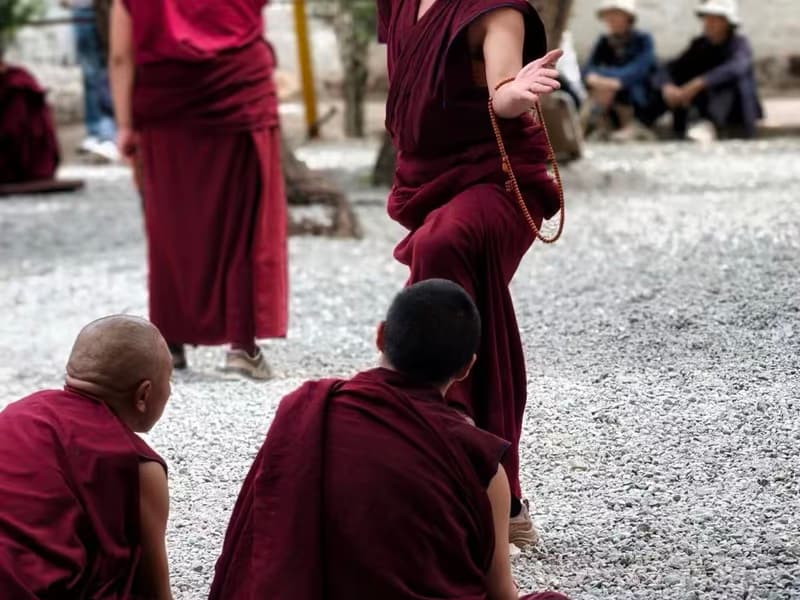
What you will find in the courtyard: hundreds of monks in maroon robes arranged across a stone-paved, tree-shaded space in pairs, each pair conducting its own philosophical debate simultaneously. The standing monk challenges; the seated monk defends. The exchanges involve specific gestures — a sharp clap of the hands, a left-foot stomp, an arm extended forward — each carrying symbolic meaning in the Gelug tradition. When the word "Tsa!" is shouted, a point has been definitively concluded. No translation is available on site, and none is needed to follow the form of what is happening.
For a full explanation of the gestures before you go: Watching the Monk Debates at Sera Monastery.
Getting There
All foreign visitors to Tibet require a Tibet Travel Bureau (TTB) Permit. This cannot be obtained independently — it must be arranged through a licensed Tibetan travel agency, which also handles the accompanying travel documentation, guide arrangements, and airport or train station transfers. Apply at minimum four weeks before travel; during the high season (May–September) allow longer.
Flights arrive at Lhasa Gonggar Airport, approximately 65 kilometres from the city centre. The transfer takes 60–90 minutes. Most agencies include airport pickup in their packages.
For full entry requirements and transport options: Getting to Lhasa.
Within the city: Taxis cover all destinations in this itinerary. The city centre is compact — Barkhor, Jokhang, Potala Palace, and Zongjiaolusang Park are all within 3 kilometres of each other. Sera Monastery is 4–5 kilometres north. Ride-hailing apps have limited coverage in Lhasa; flagging taxis at the roadside or asking the hotel to call one is more reliable. Most drivers do not speak English — show a map or the attraction name in Chinese to the driver.
Key journey times:
- Potala Palace → Jokhang Temple: 20 minutes on foot, 5 minutes by taxi
- Jokhang Temple → Sera Monastery: 15–20 minutes by taxi, approximately ¥20–30
Practical Information
| Item | Details |
|---|---|
| Altitude | 3,650 m |
| Best months | April–June, September–October |
| TTB Permit | Required for all foreign visitors; must be arranged through a licensed agency; apply 4+ weeks ahead |
| Potala Palace | ¥200; 2,300 daily visitor cap; pre-booking required; 2-hour timed visit; passport required at gate |
| Jokhang Temple | ¥85; visit before 9:00 am for best experience |
| Sera Monastery | ¥55; debates Mon–Sat approx 15:00–17:00; closed Sunday |
| Zongjiaolusang Park | Free |
| Currency | Chinese yuan (¥); ATMs available city-wide; major hotels accept international cards |
| Payment | Alipay and WeChat Pay dominant; cash accepted at ticket windows; international cards can be linked to Alipay |
| Language | Tibetan and Mandarin; limited English outside hotels; show maps or written destination names to taxi drivers |
| Sun protection | UV intensity at altitude is higher than at sea level; SPF 50+ sunscreen required |
| Layering | Lhasa's daily temperature range is wide; mornings and evenings are cold even in summer |
Book in Advance
TTB Permit — No permit means no entry to Tibet. Contact a licensed Tibetan travel agency. They will handle the permit, itinerary documentation, guide requirements, and transfers. Processing typically takes two to four weeks; book earlier during peak season (May–September).
Potala Palace tickets — Book through your travel agency or via Trip.com's English-language platform. You will need your passport number. Tickets are issued for specific entry slots. Without a booking, entry is not possible — walk-up tickets are not available to independent foreign visitors. During May–September, book at least five to seven days in advance.
Altitude sickness medication — Acetazolamide (brand name Diamox) is a prescription medication that some travellers take to help the body adjust to altitude more quickly. It works by inhibiting an enzyme (carbonic anhydrase) in a way that stimulates increased breathing, accelerating acclimatisation. Common side effects include tingling in the hands and feet and increased urination. It is not appropriate for everyone — it has contraindications with certain medical conditions and other medications, and requires a prescription in most countries. Consult your doctor before departure to determine whether it is appropriate for your situation, and if so, when to start. Do not obtain or take it without medical guidance. Ibuprofen manages mild altitude headache and is available over the counter; bring it as a standard precaution.
Confirm Sera debates on the morning of Day 3 — The main risk is arriving on a Sunday, or on a day when debates have been suspended for a religious holiday. Ask the hotel front desk to confirm before setting out.
What to Cut If Time Is Short
If you have two days: Drop Sera Monastery (Day 3 afternoon) and keep Jokhang Temple in the early morning alongside Potala Palace on Day 2. These two sites together cover the core of what Lhasa offers in condensed form.
Alternatively: drop Jokhang and use Day 3 entirely for Sera. The choice depends on whether religious architecture or living practice is the priority.
Do not cut the Day 1 rest buffer. No matter how short the trip, arriving and going directly to Potala Palace is a reliable way to spend the following day unwell. The altitude affects the body regardless of fitness level — the buffer is not optional.
Before You Go Checklist
- TTB Permit application submitted (at least four weeks before arrival)
- Potala Palace ticket booked with passport number and preferred time slot
- Doctor consulted about altitude sickness medication and personal suitability
- Travel companions briefed on mild vs. severe altitude sickness symptoms
- Sun protection packed: SPF 50+ sunscreen and UV-protective sunglasses
- Warm layers packed: mornings and evenings in Lhasa are cold year-round
- Verified that Day 3 does not fall on a Sunday; plan to reconfirm Sera debates on the morning of that day
- Full packing list: Lhasa Packing List
Frequently Asked Questions
Can I visit Potala Palace on arrival day if my flight lands early?
Not recommended. Most visitors who arrive and go directly to Potala Palace report significant altitude symptoms during or after the climb — headache, nausea, dizziness — and spend the next day recovering. One night's sleep at this altitude makes the same climb considerably more manageable. The itinerary is structured as it is because this sequence consistently produces a better result.
Do I need a guide?
Jokhang Temple and Barkhor Street can be visited without a guide. Potala Palace offers an English audio guide for rent at the entrance — it is the most reliable English commentary available inside the complex. Sera Monastery debates have no on-site explanation; reading the full debates guide before you go gives you the gesture vocabulary that makes the experience readable. Note that some agencies include a mandatory licensed guide as part of their TTB permit arrangements — check with your agency.
How much does the TTB Permit cost?
The permit itself carries no separate fee. Travel agencies include it in their service packages alongside accommodation, transport, and guide costs. Request itemised pricing when comparing agencies to understand what is covered.
Is three days enough for Lhasa?
Potala Palace, Jokhang Temple, and Sera Monastery debates — three days is enough time to do all three properly rather than quickly. Drepung Monastery, a short drive west of the city, is a meaningful addition with a fourth day. Namtso Lake or Yamdrok Lake each require an additional permit and at minimum one full day each — neither fits within a three-day schedule.
What should I do if I feel unwell on Day 2 morning?
Rest. If Potala Palace must be rescheduled or skipped, that is the correct decision. Attempting a high-exertion climb with significant altitude sickness symptoms at 3,650 metres is likely to worsen the situation. Most agencies can help with rescheduling if you explain the circumstance; availability is the main constraint.
Three days in Lhasa is enough to do three things properly: walk Barkhor at the hour when it is most alive, spend two hours inside Potala Palace, and stand at the edge of a courtyard where hundreds of monks are arguing philosophy. It is not enough to also reach a lake, add three more monasteries, and recover from all of it. The altitude enforces this — and the itinerary works with that constraint rather than against it.
Lhasa Travel Guide · Getting to Lhasa · Visiting Potala Palace · Watching the Monk Debates at Sera Monastery · Lhasa Packing List