At a Glance
| Best time to visit | May–October (September–October for clearest skies; July–August brings afternoon rain but stays manageable) |
| Recommended stay | 4–5 days, including 1–2 days of acclimatisation |
| Budget per day | ¥400–700 mid-range (accommodation, entry fees, meals) |
| Getting there | Fly from Chengdu (~2.5 hours); or take the Qinghai–Tibet Railway from Xining (~21 hours) |
| Known for | Potala Palace, Jokhang Temple, Barkhor Street kora circuit, Sera Monastery debates |
| Special requirements | All foreign nationals must obtain a Tibet Travel Bureau (TTB) permit before entering — no permit, no entry |
Opening
The Potala Palace has stood on a rocky outcrop at 3,700 metres for 1,300 years. Most people who want to visit China have seen photographs of it. Far fewer know that foreign visitors need a separate, specially issued permit to enter Tibet at all — a requirement that filters out the casual, and leaves the determined. Lhasa itself is a compact city; the main sites sit within walking distance of the Barkhor area. The first thing to do on arrival is not sightsee, but slow down. Altitude sickness is a real risk here, and the city rewards those who treat it seriously.
Why Lhasa Belongs on Your China Itinerary
Plenty of Chinese cities carry centuries of history. Lhasa operates on a different logic entirely. Tibetan Buddhism does not sit inside temples waiting to be observed — it runs through the daily routine of the city. Elderly residents circle Jokhang Temple before breakfast, prayer wheels spinning. Pilgrims arrive from remote parts of the plateau. In the sweet-tea houses near Barkhor Street, conversations mix Tibetan and Mandarin in the same sentence. For most Western visitors, this is further from anything familiar than Beijing or Shanghai manages to be.
Coming here has real costs: the permit takes 4–6 weeks to arrange, altitude sickness may floor you for a full day, and key attractions sell out their daily ticket allocations fast. None of that is a reason to skip it — it is planning information. Handle the logistics in advance, and Lhasa delivers something no other city in China quite replicates.
Ways to Experience Lhasa
Walk the Kora: Lhasa at Its Most Unguarded
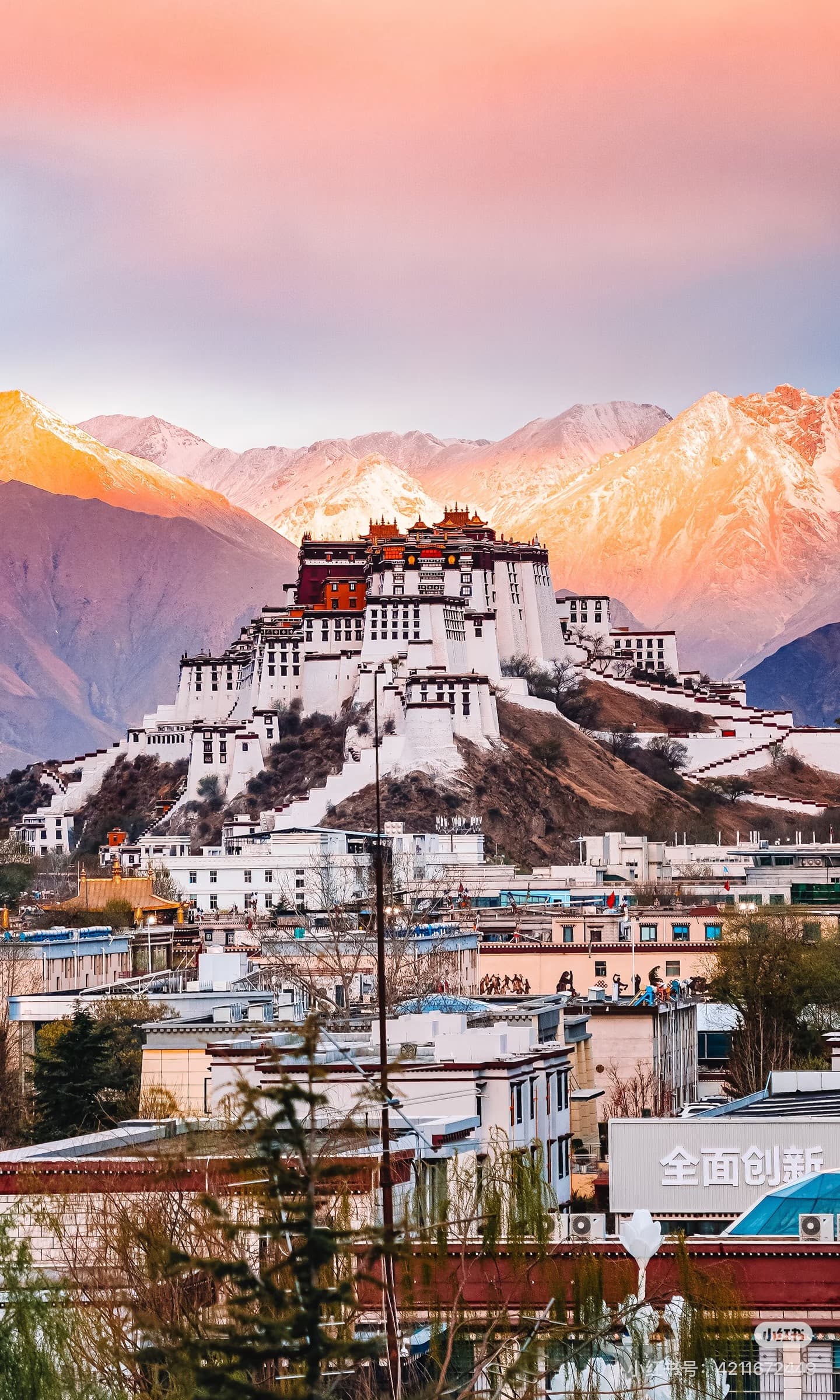
Lhasa averages more than 3,000 hours of sunshine per year — the Tibetan name for the city roughly translates as "place of the gods," and it has been called the Sunshine City for generations. The best introduction to it costs nothing: the Barkhor kora is a circular walking route around Jokhang Temple, completed clockwise. Locals walk it every morning, prayer wheels in hand, starting before the tour groups arrive. One circuit takes about 20 minutes. Across the city, Zongjiaolusang Park — the green space facing the Potala Palace — has its own lakeside kora, where the late-afternoon light falls across the white palace walls. These two loops together make a natural shape for a day in Lhasa: begin at one, end at the other.
Monastery Debates: Logic, Clapping, and Real Stakes
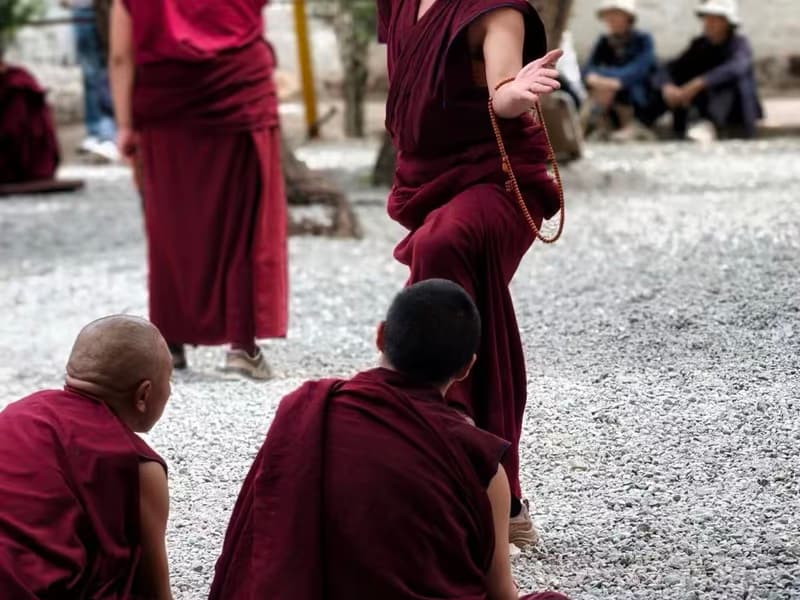
The Gelug school of Tibetan Buddhism has used formal debate as a teaching method for centuries. At Sera Monastery, this happens in an open courtyard every afternoon from around 3pm to 5pm. The format is structured: one monk stands and fires a question with a sharp clap of the hands; the seated monk responds. The physical emphasis — the lean, the clap, the rhythm — is not theatrical style. It is trained precision. Visitors sit along the courtyard walls without needing to approach closely. Entry to Sera costs ¥55, which covers the full monastery complex; observing the debates in the courtyard carries no additional charge. Drepung Monastery occasionally holds debates too — check with your hotel or guide for the current schedule.
Tibetan Dress: Robes Still Worn at Festivals
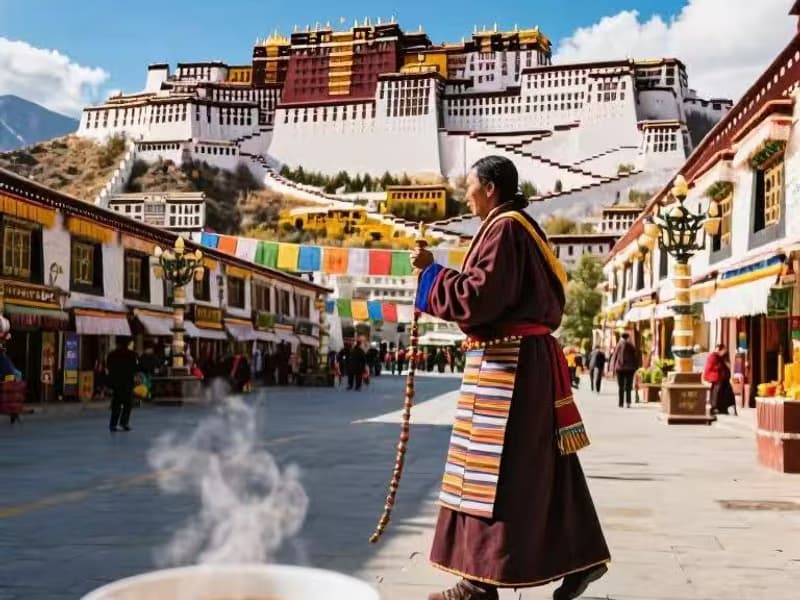
Rental stalls near Barkhor Street and the Potala Palace square offer Tibetan chuba robes — the traditional outer garment worn during festivals and formal occasions, and still chosen by many Tibetans for important events. Rentals typically run ¥50–80 per hour and include a headdress and accessories; the vendor will help with the fitting. The main fabrics are heavy woollen cloth in deep red, indigo, and white. Zongjiaolusang Park and the Potala Palace square offer good backdrops. Confirm the deposit amount and return time before you hand over your own belongings.
Photography in Lhasa: Short Windows, Strong Light
The shooting window in Lhasa is narrower than at most destinations. High-altitude sunlight is harsh; midday exposures almost always blow out. The usable light falls in roughly the first hour after sunrise and the 90 minutes before sunset. Zongjiaolusang Park lake reflects the Potala Palace cleanly in the morning, when foot traffic is thin and the sun is still low. The gold roofs of Jokhang Temple read best in the late-afternoon side light; rooftop access for an overhead view of Barkhor Street requires the ¥85 temple entry ticket. At Sera Monastery, dappled shade in the debate courtyard creates layered light in the afternoon — a long lens lets you work from a respectful distance without disrupting the session. Phone cameras work well here; timing matters more than equipment.
The Qinghai–Tibet Railway: Making the Journey Itself Count
The overnight train from Xining into Tibet is the most deliberately paced way to arrive. About ten hours after departure, the line begins climbing toward the Hoh Xil plateau. At night, it crosses Tanggula Pass at 5,072 metres — the highest point on any railway in the world — with supplemental oxygen flowing through the carriages throughout. By morning, the window frames open grassland and the occasional yak herd crossing the skyline. The full journey takes around 21 hours. Hard-sleeper tickets run roughly ¥450–500; soft sleeper around ¥700. The scenery along this corridor passes through protected conservation zones not accessible by road. Book through Trip.com or 12306 two to four weeks ahead; peak-season berths sell out quickly.
Top Attractions
Potala Palace
Originally built in the 7th century and substantially expanded in the 17th, the Potala served as the winter residence of successive Dalai Lamas. The building spans 13 floors and roughly 1,000 rooms containing assembly halls, chapels, shrines, and the gilded memorial stupas of eight Dalai Lamas. Entry costs ¥200 per person. Daily capacity is capped at 2,300 visitors, split between a morning session (9am–noon) and an afternoon session (noon–6pm). Tickets must be booked in advance through the official Tibet Tourism app or Trip.com, using a passport number to register. During peak months (June–September), book three to five days ahead — same-day availability is rare.
Jokhang Temple (大昭寺)
Built in the 7th century and housing a revered 12-year-old image of Shakyamuni Buddha, Jokhang is the religious centre of Lhasa. Admission for the inner hall and rooftop costs ¥85; the kora circuit around the outside is free. Arriving before 8am puts you ahead of tour groups and inside the courtyard during morning prayers — incense smoke, murmured chanting, and candle light in the low morning dark. Photography restrictions vary by section; check the current rules at the entrance before entering.
Sera Monastery
Located north of the city centre, Sera is best known for its afternoon debates but worth visiting earlier in the day for the assembly halls and the movement of monks between buildings. Entry ¥55. The debate courtyard is within the monastery grounds; no additional ticket is needed. A taxi from the Barkhor area takes about 20 minutes and costs ¥15–20 each way. Ask your driver to wait or arrange a return through your hotel.
What to Eat in Lhasa
Butter Tea (Po Cha / བོད་ཇ་)
Made from tea, yak butter, and salt, churned until combined. The taste is savoury and rich — useful at altitude for warmth and calories, but an acquired flavour. Try a small cup first at any Tibetan restaurant or tea house. Refusals are not taken personally; sweet tea is always available as an alternative.
Tsampa (རྩམ་པ)
Roasted barley flour, kneaded at the table with butter tea or water and shaped into a dough. The staple food of Tibetan households — high in calories, neutral in flavour. Not usually ordered on its own; it appears as a side dish or breakfast item. If you are curious, ask at a Tibetan restaurant.
Sweet Tea (སྨན་ཇ)
Black tea brewed with milk and sugar, served in small clay cups for ¥3–5 and refilled freely. The sweet tea houses clustered near Barkhor Street are neighbourhood institutions — locals drink here for hours. No English menus; point at what the next table is drinking.
Thukpa (ཐུག་པ)
Hand-pulled noodles in a broth of beef or yak meat, finished with chilli paste on the side. The milder versions are easier on a stomach still adjusting to altitude. Found at Tibetan restaurants throughout the old city; a bowl runs ¥20–35.
Momo (མོག་མོག)
Steamed or pan-fried dumplings stuffed with yak meat or vegetables, served with a chilli dipping sauce. A standard at Tibetan restaurants around Barkhor Street — ¥25–40 for a bamboo steamer. If the skin is thick and the filling is generous, you are at a good one.
Yak Jerky
Packaged yak jerky is the most common food souvenir from Lhasa. Available in markets and shops throughout the old city; stick to factory-sealed packaging.
Where to Stay in Lhasa
[Best for Atmosphere] Barkhor / Old Town Area
The district around Jokhang Temple gives immediate access to both the morning kora and Barkhor Street, without needing to commute each day. Waking up inside this area means the early-morning circuit — when the city is quietest and the light is best — is fifteen minutes from your bed. Good for: first-time visitors, anyone prioritising the cultural side of Lhasa, photographers. Note: Some guesthouses in the lanes here have older facilities; confirm whether the room has an oxygen supply point before booking.
Search Trip.com or Booking.com using "Barkhor" or "Jokhang" to filter by this area.
[Modern Amenities] Beijing Road / Chengguan District
The commercial centre of Lhasa, with chain hotels and reliable services. About 1.5 kilometres from the old city on foot. Good for: travellers concerned about altitude who want a larger hotel with medical support on-site, or business travellers. Note: Convenient, but the neighbourhood reads like any mid-sized Chinese city.
[Quieter Option] South Bank of the Lhasa River
A cluster of boutique guesthouses that has grown on the quieter south side of the river. Good for: travellers who want a calm base and do not mind a 20–30 minute taxi ride to the main sites. Note: Plan ahead for transport; rideshailing apps work here but coverage is patchier than in central China.
Getting to Lhasa and Getting Around
Getting to Lhasa
⚠️ You cannot enter Tibet without a TTB permit
All foreign nationals (this does not apply to Chinese citizens with a mainland residence permit) must hold a Tibet Travel Bureau permit before boarding any flight or train into Tibet. The permit cannot be applied for independently — it must be arranged through a licensed Tibet travel agency registered with the China National Tourism Administration. Agencies handle the paperwork; you provide passport details and an itinerary. Budget four to six weeks for the process; in peak season (May–October), allow longer. The permit specifies your entry date, exit date, and travel area — changes after issue are not straightforward.
By Air
Lhasa Gonggar Airport (LXA) is the main entry point, 65 kilometres from the city centre. Flights from Chengdu take about 2.5 hours and run multiple times daily — Chengdu is the most common staging point for Tibet travel. Direct flights also operate from Beijing (~5 hours), Shanghai (~5.5 hours), and Guangzhou (~4.5 hours). From the airport, an official shuttle bus runs to the city in about 1.5 hours for ¥45; a shared taxi costs around ¥200.
By Train
The Qinghai–Tibet Railway runs Z-series express trains from Xining to Lhasa in approximately 21 hours, with supplemental oxygen throughout. Xining is connected to Beijing, Chengdu, and Shanghai by high-speed rail, making it a reasonable staging point. Hard-sleeper berths cost roughly ¥450–500; soft sleeper around ¥700. Book via Trip.com or 12306 two to four weeks in advance. This option works as both transport and experience — see "Ways to Experience Lhasa" above.
Getting Around Lhasa
On foot: The Barkhor area — Jokhang Temple, Barkhor Street, and the lanes connecting them — is entirely walkable. Most visitors staying in the old city cover their main sightseeing on foot.
Taxis: The base fare is around ¥10. Most journeys within the city run ¥15–30. The Didi ride-hailing app works in Lhasa but coverage is thinner than in major mainland cities; if the app cannot find a driver, ask your hotel to call one.
Buses: Routes cover the main districts at ¥1–2 per journey. For visitors unfamiliar with the city, buses are less practical than walking or taxis.
Before You Go
Lhasa takes more advance preparation than most places in China. Two things are non-negotiable: the permit and your first 48 hours at altitude.
Staying Connected in China Visiting China Visa-Free: What You Still Need to Prepare Alipay for Tourists in China
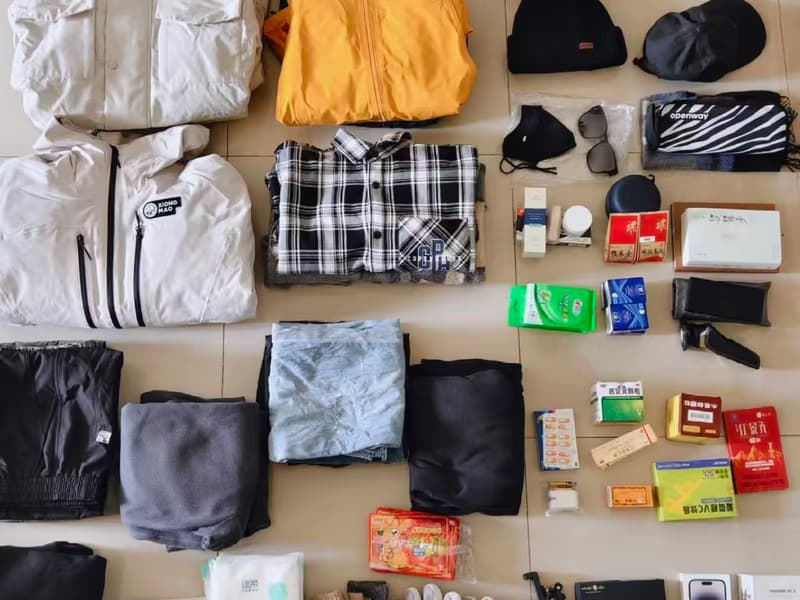
Lhasa-specific checklist:
- TTB permit: Without it, you will be turned away at check-in or the station gate. Start the process 4–6 weeks before your intended arrival date; 8 weeks is safer in peak season. The permit locks in your dates and areas — plan your full Tibet itinerary before applying.
- Altitude sickness: Do not schedule any sightseeing on your first day. Drink water, avoid alcohol, avoid exertion. Headache and nausea in the first 24 hours are normal; most people stabilise within 48 hours. Most hotels in Lhasa can provide supplemental oxygen bags (free or ¥20–50 per bag); some rooms have piped oxygen. If symptoms worsen after 48 hours, descend to a lower altitude.
- Potala Palace tickets: The daily cap fills during peak months. Book at least three days ahead on the official Tibet Tourism platform or Trip.com — you will need your passport number. The app interface is in Chinese; ask your travel agency for help if needed.
- Payments: WeChat Pay and Alipay are accepted throughout Lhasa, including small restaurants and market stalls. Foreign cards can be linked to these apps before travel — see the Alipay guide above for the setup process. Carry some cash for sweet tea houses and traditional market vendors; ¥200–300 in small notes is enough for a few days.
- Internet access: The same content restrictions that apply across mainland China apply in Lhasa. Set up your internet access solution before departure — options installed after arrival may not work. Also download offline maps before you fly; Maps.me or the offline version of Google Maps cover Lhasa adequately.
Related guides: