Last updated June 2026. Ticket prices, capacity limits, and booking procedures are subject to change — verify through your travel agency or booking platform before travel.
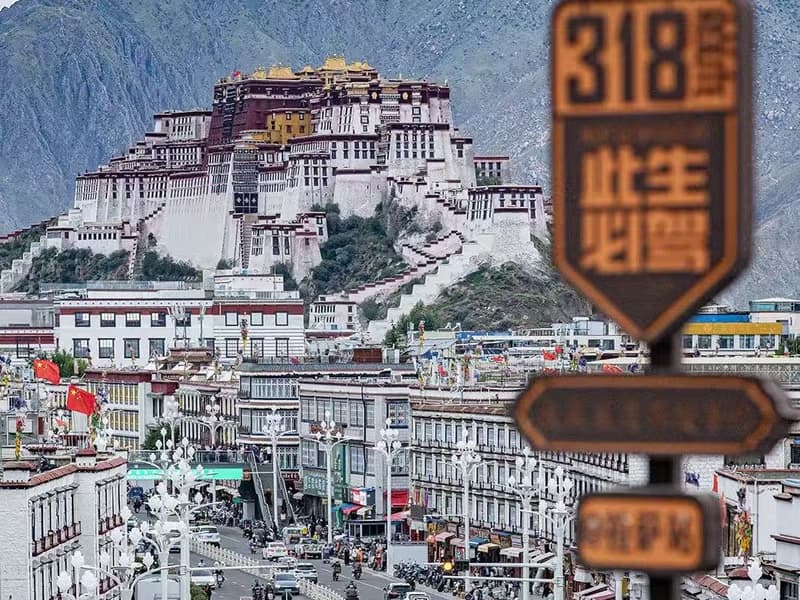
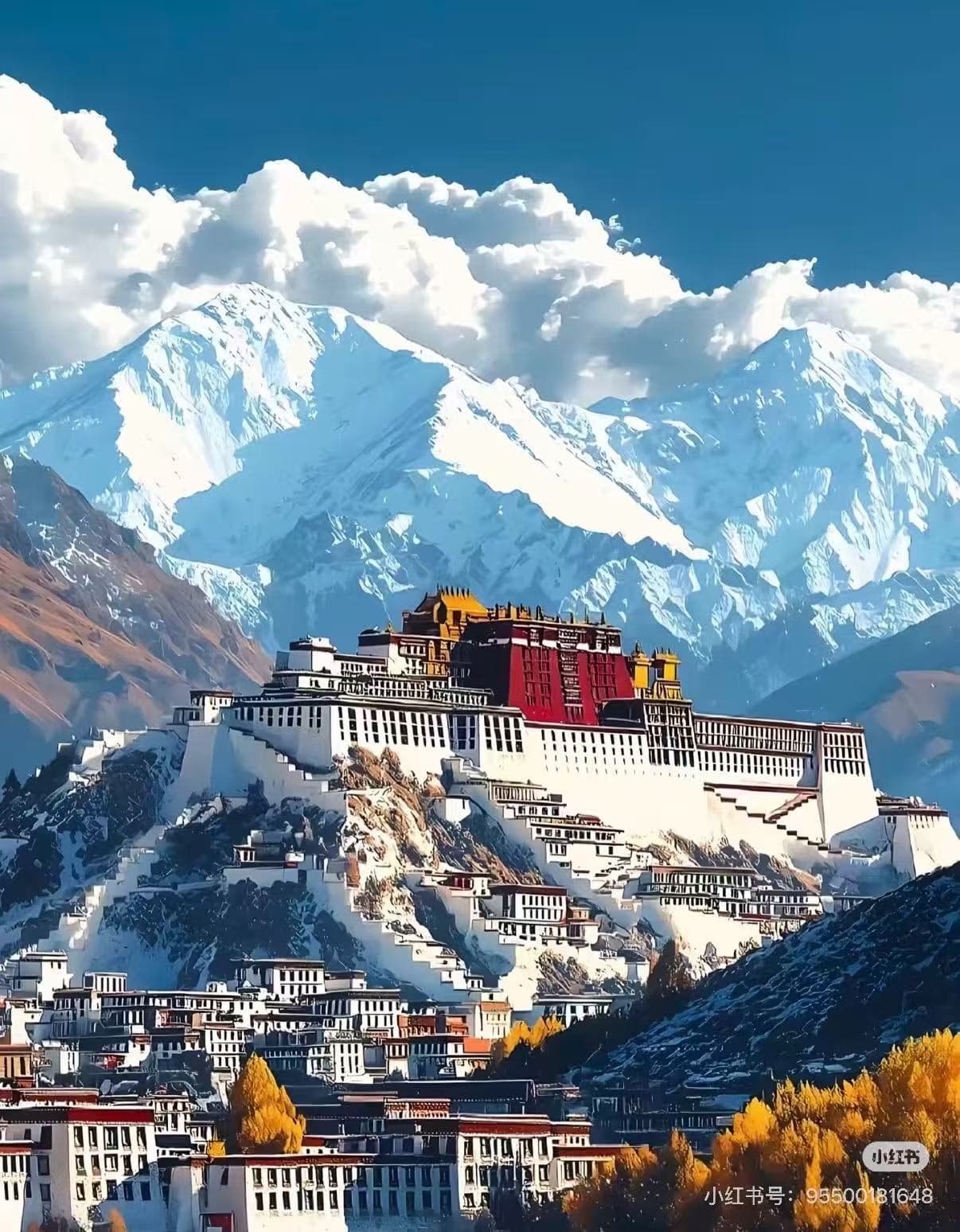
The Potala Palace has dominated Lhasa's skyline for over three centuries. Thirteen storeys of white and red stonework built on Marpo Ri hill, it served as the winter residence of successive Dalai Lamas until 1959 and now functions as a museum and UNESCO World Heritage Site. Daily entry is capped at 2,300 visitors, each visit is limited to two hours, and tickets for the peak months sell out several days ahead. Foreign visitors have specific booking options that differ from those available to domestic tourists — sorting this out before arrival is the first practical step.
What Makes it Worth It
The Red Palace's memorial stupas The Fifth Dalai Lama's gold stupa stands 14 metres high and was constructed using 3,721 kilograms of gold and a quantity of precious stones that took decades to accumulate. Photographs of it exist, but the scale and the quality of the metalwork read differently in person, especially in the low interior light. The Red Palace contains the memorial stupas of eight Dalai Lamas in total; the Fifth's is the largest and most elaborate.
The scale reveals the building's logic Climbing from the base to the upper palace means ascending the equivalent of thirteen floors at 3,650 metres above sea level. The ascent is deliberate — each level filters access and announces status. For a visitor who has spent a day or two acclimatising, the climb is manageable. For someone arriving from altitude and visiting on day one, the exertion is significant. The architecture is most legible on foot, at pace.
The rooftop view The upper terraces look south over Lhasa's city centre, the Potala Palace square, and — on clear days — the open plateau beyond. It is one of the few elevated vantage points accessible to visitors in the city, and the light is cleanest in the hour after sunrise.
What to Expect
Booking: how foreign visitors do it
Three practical options, in order of ease:
- Travel agency: Most TTB-licensed agencies that handle Tibet permits can book Potala Palace tickets simultaneously. Flag this need when confirming your itinerary, 2–3 weeks before departure.
- Trip.com (English): Search "Potala Palace tickets." Passport information is required at checkout; international credit cards are accepted. In peak season (June–September), book 5–7 days ahead.
- Official WeChat mini-program: An English-language interface is available. Requires WeChat Pay or Alipay linked to an international card. The process has several steps — ask hotel staff to assist if you are unfamiliar with the platform.
Walk-up, same-day tickets are not available. Morning session runs 9:00–12:00; afternoon session 12:00–18:00. The two-hour visit limit is enforced — staff will notify you when time is nearly up.
Physical demands at altitude
The stairways are steep and uneven in sections. At 3,650 metres, the same climb that would be routine at sea level takes noticeably more effort. Allow more time than you think you need on the ascent, and don't plan anything physically demanding for the same afternoon. Visitors who have not yet acclimatised to Lhasa's altitude are better served waiting until day two or three of their stay.
Photography
The exterior courtyards and gold roof terraces permit photography. Most interior chapels and palace halls prohibit it, with some rooms posted as no-camera zones entirely. Staff at each section will indicate what applies. There is no benefit to attempting restricted shots — the interior spaces are dim and the penalty for a confiscated camera outweighs any photograph.
Don't Miss
Fifth Dalai Lama's memorial stupa (Red Palace) — The centrepiece of the Red Palace and the single most detailed space in the building. The gold surface work and inlaid stones require time and adjusted eyes to read properly; do not rush through this room.
White Palace East Main Hall — The largest ceremonial hall in the White Palace, used for major religious and administrative events by successive Dalai Lamas. Daylight enters from clerestory windows overhead, creating the Potala's most recognisable interior light effect.
Upper terrace — Near the end of the visiting route, the rooftop platform opens south over the city. Foot traffic thins here compared to the interior rooms, and the views hold longer than most other points on the route.
Practical Information
| Item | Details |
|---|---|
| Admission | ¥200 (approx. $28 USD); no student concession |
| Opening hours | 9:00–18:00 (peak season May–Oct); 10:00–17:30 (low season Nov–Apr); last entry at posted session time |
| Visit time limit | 2 hours per admission; staff will prompt visitors near the end |
| Booking | Travel agency / Trip.com English (international card accepted) / official WeChat mini-program; peak season book 5–7 days ahead; no same-day tickets |
| Bags | Lockers at entrance (small fee); large backpacks not permitted inside |
| Photography | Exterior and rooftop: permitted; interior chapels: largely restricted; follow on-site signs |
| Audio guide | English-language audio guides available for rental at the entrance |
| Language | Limited English among staff; audio guide is the most reliable English resource on-site |
| Altitude note | Steep stair climbing at 3,650m — acclimatise for 1–2 days in Lhasa before visiting |
Getting There
From the Barkhor Street area, the Potala Palace is a 20-minute walk heading west, following the main road toward the Palace square. A taxi from Barkhor takes about 5 minutes and costs ¥10–15. The visitor entrance is on the east side of the building — follow signs for "Potala Palace Visitor Entrance" from the square. The most common mistake is approaching from the front (south-facing facade) and spending time looking for an entrance that is not there.
Closing
The Potala Palace is the single most booking-dependent part of a Lhasa itinerary. Everything else in the city is accessible without advance planning; this is not. Arrange tickets early through your agency or Trip.com, allow a rest day in Lhasa before your visit, and the two hours inside will be enough.
Related Links: