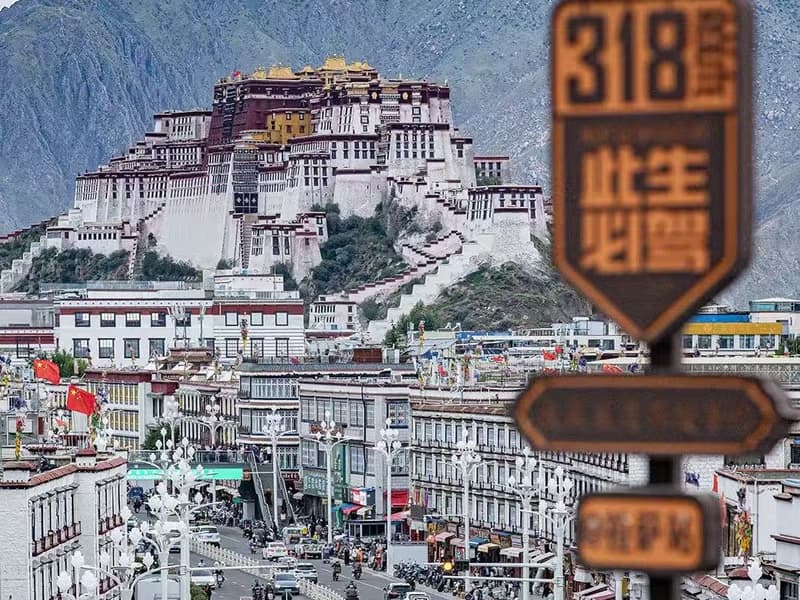
September and October are the clearest answer for most foreign visitors. The rainy season has ended, the plateau sky stays blue most days, and Potala Palace tickets — limited to 2,300 per day — are easier to secure than at the height of summer. That said, timing a Lhasa trip involves more variables than most destinations: the Tibet Travel Bureau permit locks you into specific entry and exit dates, altitude sickness is a factor in every season, and the October national holiday creates a domestic tourism spike worth planning around.
Quick Reference Table
| Month | Weather | Crowd Level | Notes |
|---|---|---|---|
| January | −8 to 7°C, sunny | Very low | Coldest month, low prices |
| February | −5 to 9°C, sunny | Low–medium | Tibetan New Year (Losar) possible |
| March | 2–13°C, occasional wind | Low | Warming up, fewer visitors |
| April | 6–17°C | Low–medium | Labour Day approaching end of month |
| May | 10–20°C | Medium | Labour Day week is busy |
| June | 13–22°C, afternoon rain | High | Rainy season begins |
| July | 14–24°C, daily afternoon rain | Peak | Busiest month, Potala tickets hardest |
| August | 13–23°C, afternoon rain | Peak | Similar to July, highest prices |
| September | 10–20°C, clearing skies | Medium–high | Best overall window |
| October | 5–17°C | High (1–7); Medium (8+) | National holiday 1–7; calms after |
| November | 1–12°C | Low | Good value, quieter temples |
| December | −5 to 8°C | Very low | Lowest prices, coldest conditions |
Spring (April–May): The Season Opens
Weather: April sits around 6–17°C, with noticeable temperature swings between morning and afternoon. May climbs to 10–20°C. Wind and occasional dust are normal in April.
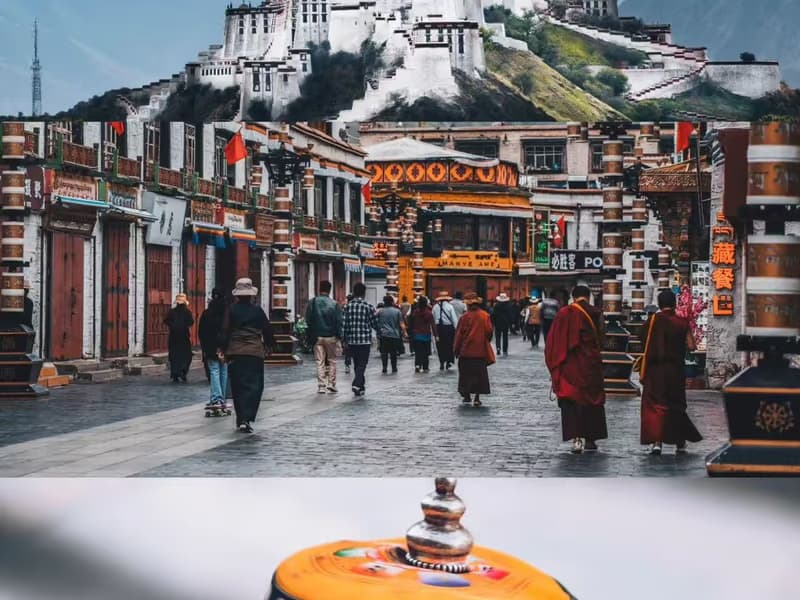
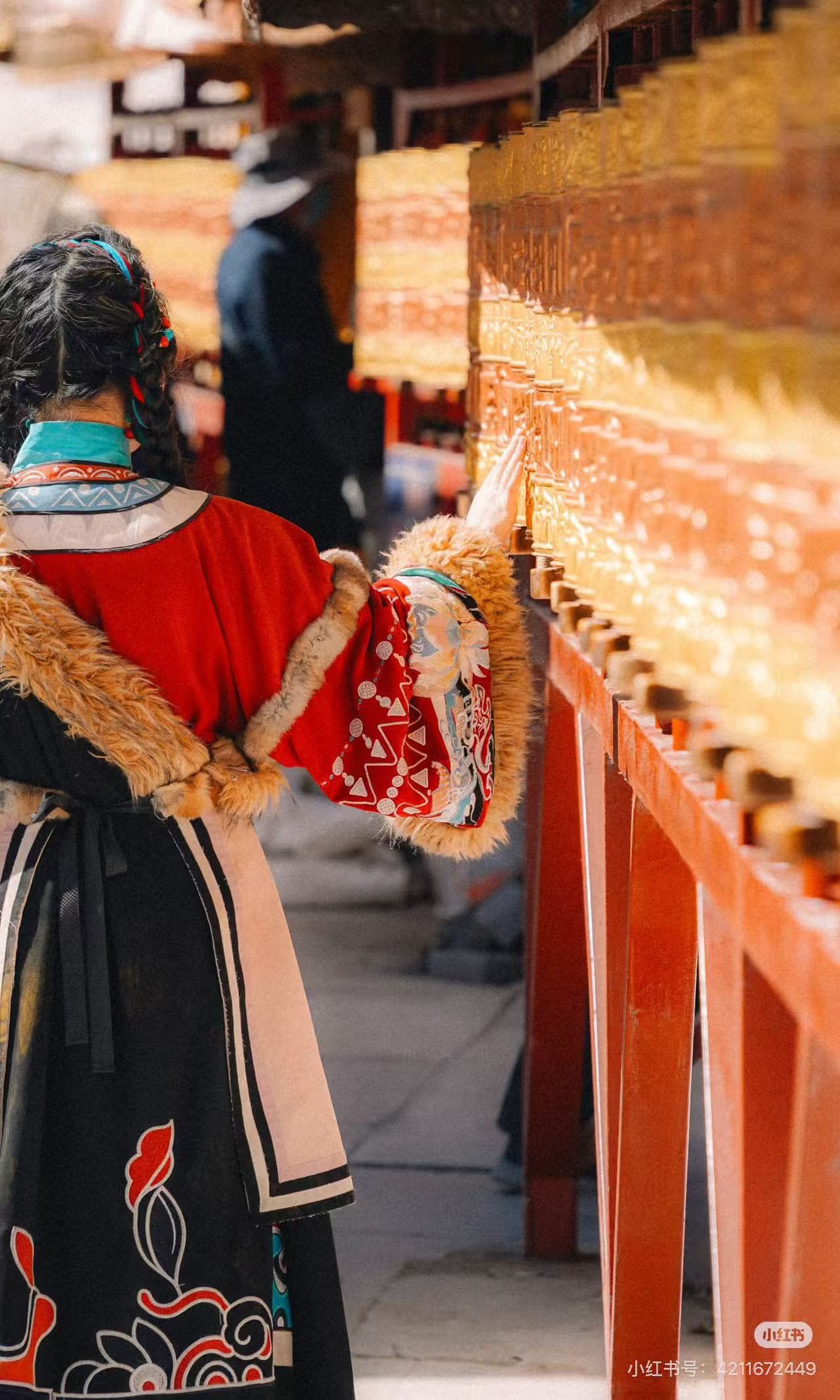
What the season offers: This is when the pilgrimage crowds return to Barkhor Street after winter. The Jokhang Temple circuit fills with Tibetan devotees in the mornings — prayer wheels in hand, circling clockwise — and the atmosphere carries a low-key energy that summer's tourism peak doesn't quite replicate. Potala Palace tickets are relatively available in April; a 2–3 day lead time is usually sufficient. Sera Monastery's debate sessions run on schedule.
The trade-offs: The Labour Day holiday (1–5 May) drives up domestic travel, hotel prices rise, and the old-town area gets busier. April mornings are cold enough to require a proper jacket; the altitude amplifies how cold the wind feels.
Who it suits: Visitors who cannot travel in September or October; anyone interested in the pilgrimage character of the old town before summer crowds arrive.
Key tip: Target late April (after 6 April) or mid-May (after 6 May) to avoid the Tomb-Sweeping Day and Labour Day overlap.
Summer (June–August): Peak Season, Rainy Rhythm
Weather: June brings 13–22°C; July and August hover around 13–24°C. Afternoon rain showers arrive almost daily from roughly 14:00 to 17:00 — most mornings are clear.
What the season offers: This is when the most travel infrastructure for foreign visitors is available. Tibetan-speaking guides who work in English are most numerous; TTB travel agency support is most responsive. The green plateau and the blue reservoir of Lhalu Wetland provide a different visual character from the drier months. The Qinghai-Tibet Railway passes through lush grassland in this season — if you're taking the train from Xining, the landscape outside the window is at its most colourful.
The trade-offs: Potala Palace tickets sell out fast — 5 to 7 days in advance during July and August, sometimes within hours of the booking window opening. Accommodation is at its most expensive. Afternoon rain cuts outdoor time if your itinerary is not structured around it.
Who it suits: Visitors with school-age children or fixed summer leave; those who want maximum logistical support and can work with a morning-outdoor, afternoon-indoor schedule.
Key tip: Front-load outdoor sites (Potala, Jokhang, Sera) before 13:00. Use the afternoon rain window for sweet tea houses, museums, or indoor cultural experiences. Book Potala Palace tickets through Trip.com or the official Tibetan tourism platform at least 5 days ahead — passport registration on the platform must be completed before you attempt to book.
Autumn (September–October): The Strongest Window
Weather: September ranges from 10–20°C; October from 5–17°C. The rainy season ends in early September and the plateau sky clears. Occasional first snowfall in October, usually overnight — daytime conditions remain open for touring.
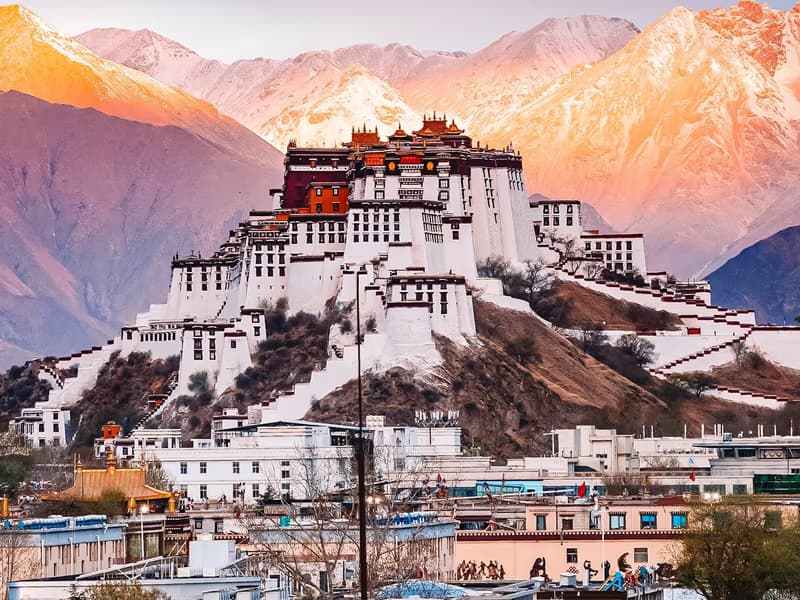
What the season offers: The combination of stable weather and lower visitor density (outside national holiday week) makes this the most practical time to visit. The reflection of Potala Palace in Zongjiao Lukang Park is cleanest when the sky is a consistent blue; Sera Monastery's debate courtyard gets the best afternoon light quality of the year. Potala tickets require 2–4 days' advance booking — manageable without the pressure of peak summer. After 8 October, hotel prices drop noticeably from their peak.
The trade-offs: The National Day Golden Week (1–7 October) is the largest domestic tourism spike of the year. Flights and accommodation within that week are both expensive and limited. Missing this window by even a few days significantly changes the experience.
Who it suits: First-time visitors who want the best balance of weather, crowds, and ticketing practicality; photographers.
Key tip: Structure around one of two windows — 20 September to 30 September, or 8 October onwards. If October is your only option and you need to overlap with National Day, book accommodation at least 3 months ahead.
Winter (November–March): Cold, Quiet, Different
Weather: November brings 1–12°C. December through February drops to lows of −8°C overnight, with daytime readings of 3–10°C. Days are sunny and the plateau light is sharp, but the wind chill on open ground is significant.
What the season offers: The pilgrim circuit at Barkhor Street reverts to its daily character — mostly local Tibetan residents rather than visitors — and the overall pace of the old town changes. Temple visits feel less like navigating a crowd and more like dropping into a living practice. Accommodation prices are at their lowest, and TTB travel agency packages can be negotiated at better rates. Potala Palace in a light snowfall is a rare sight that very few visitors see.
The trade-offs: Some roads to sites outside central Lhasa may be affected by snow, which narrows the range of day trips. Tibetan New Year (Losar, date varies — usually January to March) changes the operating schedule of several monasteries and temples; foreign visitor access during this period depends on the year's specific arrangements. Cold and dry conditions can amplify altitude sickness symptoms for some people.
Who it suits: Experienced high-altitude travellers looking for lower costs; visitors more interested in the city's daily rhythm than its headline sights; budget-conscious travellers.
Key tip: Carry a proper down jacket, windproof layer, lip balm, and moisturiser — Lhasa's dry cold is different from urban winter. Before booking winter travel around Tibetan New Year, confirm the current year's access arrangements with your TTB travel agency.
Public Holidays and Crowd Warnings
Labour Day (1–5 May): Domestic short-trip peak. Hotels in the old-town area fill quickly; book 6–8 weeks ahead.
National Day Golden Week (1–7 October): The highest-traffic week of the year for Lhasa. Flights, accommodation, and Potala Palace tickets are all under simultaneous pressure. Plan either to arrive before 30 September or after 8 October.
Tibetan New Year / Losar (January or February, date varies by Tibetan lunar calendar): Several monasteries adjust their public schedules. Confirm with your travel agency whether Potala Palace and Jokhang Temple are accessible to foreign visitors on your specific travel dates.
Potala Palace daily cap (year-round): 2,300 tickets per day. During peak season (July–August), the allocation is often exhausted within hours of the booking window opening. Outside peak season, a 2–4 day lead time is usually workable — but passport pre-registration on the platform cannot be skipped.
Best Time by Traveller Type
First-time visitors wanting a complete experience: Late September to mid-October (avoiding National Day) is the most balanced window — weather, ticket availability, and crowd levels all align.
Photographers: October, when the sky is clear and the light angle is low. Early snowfall occasionally creates a rare visual. September works as a strong alternative with slightly warmer conditions.
Avoiding crowds: Early May (before Labour Day) or November. Both offer noticeably fewer visitors than peak summer, with manageable conditions and full access to major sites.
Budget-conscious visitors: December to February (avoiding the Losar price bump) offers the lowest accommodation rates of the year. Travel agency package prices are also more negotiable in this window.
Visitors who can only travel in summer: A morning-outdoor, afternoon-indoor rhythm works well in July–August. All core sites remain open; the main adjustment is building the rain break into your daily schedule rather than fighting it.
Book Ahead: Seasonal Tips
TTB permit: In peak season (May–October), begin the application 5–8 weeks before your entry date through a licensed Tibetan travel agency. Off-season, 4 weeks is usually sufficient. The permit specifies your exact entry and exit dates — once confirmed, changes are difficult. Start the process immediately after flights are booked.
Potala Palace tickets: July–August: at least 5–7 days ahead. September–October: 2–4 days is workable. November–April: 1–2 days is generally enough, though passport pre-registration still cannot be skipped. Check availability on Trip.com or the Tibetan tourism booking platform; if your travel agency is arranging the itinerary, ask them to handle this simultaneously with the permit.
Qinghai-Tibet Railway (Xining to Lhasa): Book 2–4 weeks ahead during peak season through Trip.com or 12306. Off-season, 1–2 weeks is usually fine.
Accommodation: Book 2–3 months ahead for any national holiday week. For other peak-season dates (June–September), 3–4 weeks is a reasonable buffer. Off-season accommodation in central Lhasa is generally available with shorter lead times.
Lhasa has no season worth skipping entirely — each offers something the others don't. The clearest skies and most predictable logistics sit in September and October; winter offers a version of the city that most visitors never see. Whatever window you choose, the TTB permit and Potala Palace ticket are the two things to handle as early as possible. This guide is updated annually.
Related Guides: