We found 7 articles related to this topic.
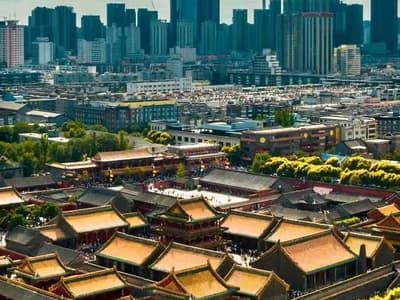
After Beijing's Forbidden City, few travelers remember the Qing had an earlier capital — smaller palaces, thinner crowds, and bath complexes that double as neighborhood living rooms.
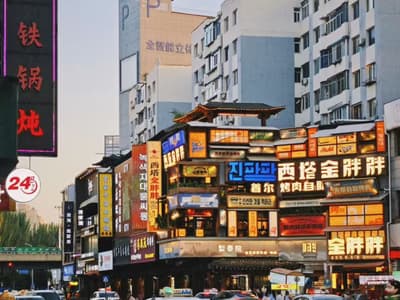
Xita lights up as grills hiss and cold-noodle shops fog their windows—a century-old strip west of downtown where Korean-Chinese dining stacks tight; you still order in plain Chinese.
Pick a month for weather, crowds, and budget: spring and autumn usually win for walking UNESCO sites; winter trades cold for quieter streets and heating-warmed indoors; bathhouses work any season.
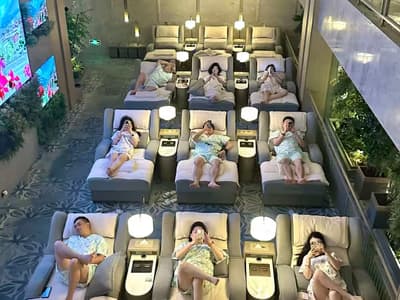
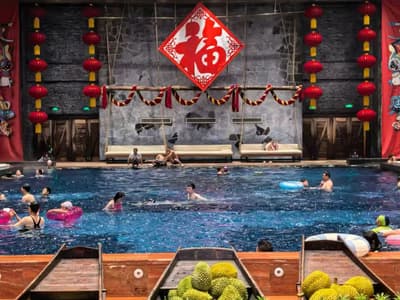
A "China spa" is often a full building: pools, scrub stations, food courts, and sometimes a place to sleep — one wristband logs almost everything you add.
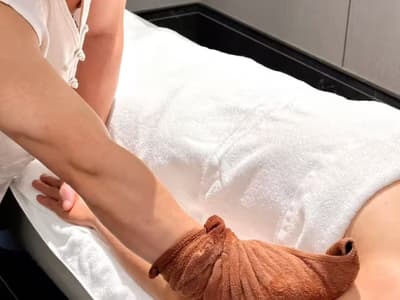
The scrub in your feed is normal in northern bath culture — and plenty of Chinese travelers from the south have never tried it either. Here is the real order of operations.
Long winters made bathhouses a social hub in Northeast China; today many Shenyang-scale venues stack pools, buffets, and lounges in one building — cuozao is still the peak moment.
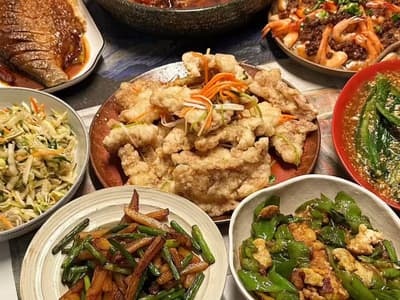
Northeastern plates run meat-heavy, deep, and generous — not the delicate small-dish lane. In Shenyang you can still order cleanly with photos, gestures, and one phrase about smaller portions.