
Shenzhen is unlike any other major city in China. Just four decades ago it was a quiet coastal town across the river from Hong Kong; today it is a sprawling tech and design powerhouse of gleaming glass towers, lush bayfront parks, and round-the-clock Cantonese, Chaoshan, and regional Chinese dining. Whether you are crossing over from Hong Kong for a day, attending a summit or trade fair, or using Shenzhen as your southern gateway into mainland China, the city rewards travelers who know how to navigate its districts efficiently.
APEC 2026 Travel Notice (Nov 16–20, 2026): Shenzhen is hosting the 33rd APEC Economic Leaders' Meeting in Futian District on November 18–19, 2026. Expect rolling road controls around Futian and Nanshan, a non-local car restriction, and a 50% fare discount on Shenzhen Metro and buses from Nov 16–20. See our dedicated APEC 2026 Shenzhen Travel & Transit Guide for exact closures and border tips.
Understanding Shenzhen's Key Districts
Shenzhen stretches horizontally along the coast from east to west, so grouping your stops by district saves hours of transit time.
Futian District (CBD, Civic Center & Huaqiangbei)
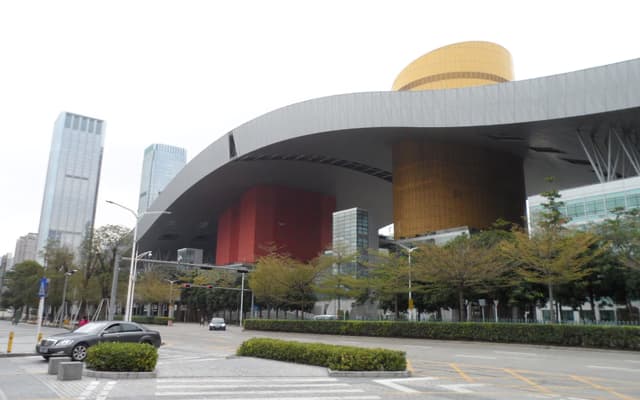
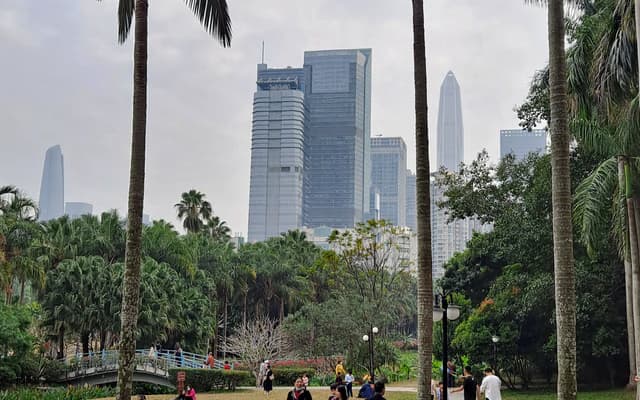
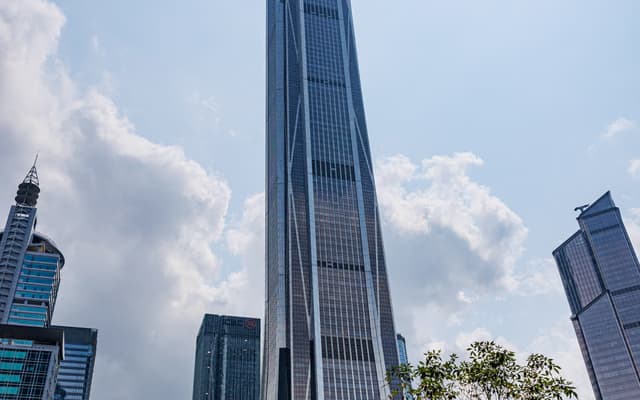
Futian is Shenzhen's administrative and financial core. Here you will find the Ping An Finance Centre (one of the tallest skyscrapers in the world), the wing-shaped Shenzhen Civic Center, and Lianhuashan Park just to the north. A few metro stops east sits Huaqiangbei, the world's most famous electronics market district—worth visiting even if you are only browsing consumer gadgets, phone accessories, or retro handhelds.
Nanshan & Shekou (Tech Hub, Waterfront & Ancient City)
West of Futian, Nanshan blends major tech campuses with Shenzhen's best coastal scenery. Shenzhen Bay Park and Talent Park offer kilometers of flat waterfront cycling and walking paths overlooking Hong Kong's New Territories. Inland in Nanshan, Nantou Ancient City preserves historic Lingnan gateways alongside indie boutiques and cafés, while Shekou Sea World provides an easygoing evening hub of waterfront restaurants and bars.
Luohu & Dongmen (Classic Border & Street Markets)
Luohu is the historic crossing point from Hong Kong's East Rail Line. Dongmen Pedestrian Street remains a lively spot for casual street snacks, affordable shopping, and old-school Shenzhen energy compared with Futian's polished malls.
Getting to Shenzhen & Crossing from Hong Kong
- From Hong Kong by High-Speed Rail: Trains from Hong Kong West Kowloon reach Futian Station in 14 minutes and Shenzhen North in 18–20 minutes. Clear both Hong Kong and Mainland immigration inside West Kowloon Station before boarding.
- From Hong Kong by Metro: Take the MTR East Rail Line to Lo Wu (Luohu) or Lok Ma Chau (Futian Checkpoint). Both connect straight into the Shenzhen Metro network after customs.
- By Air: Shenzhen Bao'an International Airport (SZX) connects to Futian CBD in roughly 35–45 minutes via Metro Line 11 (Airport Express).
- Visa & Entry Check: Verify whether your passport qualifies for China's unilateral visa-free entry, the 240-hour transit visa-free policy, or a standard Chinese visa before crossing from Hong Kong.
Moving Around & Paying Like a Local
- Shenzhen Metro: Clean, air-conditioned, and clearly signed in English. You can tap in directly using the Alipay or WeChat Pay mini-program transport QR code (Shenzhen Tong / 深圳通), or buy single-journey tokens at station machines.
- Payments: Link an international Visa or Mastercard inside Alipay and WeChat Pay before leaving home. Almost every restaurant, convenience store, and taxi expects QR payment.
- Ride-Hailing: Use the DiDi mini-program inside Alipay or WeChat for English-friendly destination entry and cashless payment.
What to Eat in Shenzhen
Because Shenzhen is a city of residents from across China, its food scene covers far more than local Cantonese dishes:
- Cantonese Morning Tea (Yum Cha) & Roast Meats: Classic dim sum, crispy roast goose, and claypot rice are easy to find in Futian and Luohu malls as well as neighborhood teahouses.
- Chaoshan Beef Hotpot (潮汕牛肉火锅): One of Shenzhen's most beloved dining traditions—thinly sliced fresh beef cooked for seconds in clear bone broth with satay dipping sauce.
- Coconut Chicken Hotpot (椰子鸡): A light, fragrant Shenzhen specialty made with fresh coconut water, Wenchang chicken, and lime-chili soy dip.
Top Attractions to Pair with Your Stay
- Ping An Finance Centre: Step onto the Free Sky 116F observation deck for sweeping views across Futian and Hong Kong.
- Shenzhen Bay Park: Stroll or rent a shared bike along the coastal promenade at sunset.
- Lianhuashan Park: Climb a gentle hilltop path for the classic postcard view of Civic Center and the Futian skyline.
Frequently Asked Questions
How many days should I spend in Shenzhen?
2 to 3 days is ideal for most visitors—enough to cover Futian CBD and Lianhuashan Park, explore Huaqiangbei or Nantou Ancient City, and enjoy a sunset walk along Shenzhen Bay Park. Day-trippers from Hong Kong can also comfortably see Futian and Huaqiangbei in one full day.
Is Shenzhen easy to visit from Hong Kong without speaking Mandarin?
Yes. Shenzhen's Metro stations, major malls, and high-speed rail hubs have clear English signage, and translation apps plus Alipay/WeChat mini-programs handle nearly all ticketing and food ordering smoothly.
When is the best time of year to visit Shenzhen?
October through April offers the most comfortable weather, with mild temperatures and lower humidity. Summers (June–September) are hot, humid, and prone to afternoon rain or occasional typhoons.