During the Canton Fair or sourcing trips to southern China, experienced importers know that meeting a supplier at a booth is only step one. The real assessment happens when you travel 30 to 60 minutes outside Guangzhou to visit the factory workshop. An on-site factory visit immediately reveals whether your supplier is a legitimate tier-one manufacturer with clean assembly lines and rigorous quality control—or a small trading outfit operating out of a residential apartment.
This guide maps out Guangdong's primary specialized manufacturing cities and provides a step-by-step playbook for planning safe, efficient day trips from Guangzhou.
The Industrial Map of Guangdong: Which City Makes What?
The Pearl River Delta (Greater Bay Area) features the world's most dense cluster of hyper-specialized manufacturing cities:
| City | Specialized Industrial Clusters | Distance from Central Guangzhou | Best Transport Method |
|---|---|---|---|
| Foshan (佛山) | Furniture (Lecong), architectural ceramics, sanitary ware, kitchen appliances, stainless steel | 25–40 km (Southwest) | Metro Guangfo Line or 18-min bullet train from Guangzhou South |
| Dongguan (东莞) | Precision plastic injection, electronic assemblies, molds, footwear, paper packaging | 55–70 km (Southeast) | 22-min high-speed rail from Guangzhou East to Dongguan / Humen |
| Zhongshan (中山) | Lighting & illumination fixtures (Guzhen), small household electronics (Xiaolan), hardware | 75–90 km (South) | 28-min bullet train from Guangzhou South to Guzhen Station |
| Shenzhen (深圳) | Consumer electronics, smart tech, PCB assembly, wearables, telecommunications hardware | 120 km (Southeast) | 35-min bullet train from Guangzhou South to Shenzhen North |
| Jiangmen (江门) | Plumbing fittings, stainless steel kitchen sinks, motorcycles | 80 km (Southwest) | 35-min train from Guangzhou South |
| Huizhou (惠州) | High-capacity batteries, automotive acoustics, outdoor consumer electronics | 110 km (East) | 45-min train from Guangzhou East |
4 Critical Checkpoints During a Factory Walkthrough
When walking through a Chinese manufacturing facility, look past the polished executive conference room and focus on the shop floor:
- Raw Material Storage & Temperature Control:
- Inspect where raw steel, plastic resins, or fabrics are stored. Are materials kept off the damp concrete floor on wooden pallets? Are plastic granules sealed against moisture absorption? Poor material storage leads directly to brittle plastic parts and tarnished metals.
- Tooling & Injection Mold Maintenance:
- Ask to see the tooling mold library. Quality factories store metal injection molds on numbered steel racks with clear maintenance tags, grease coats to prevent rust, and log sheets tracking shot counts.
- In-Line Quality Control (QC) Stations:
- Look for dedicated QC staff stationed along the active assembly line, not just at the final packing station. Check whether they have visible "Defect Sample Reference Boards" and digital testing gauges (e.g., calipers, drop-test rigs, high-voltage insulation testers).
- Finished Goods Packaging & Carton Drop Testing:
- Check the packing area. Are cartons sealed with reinforced 5-ply corrugated cardboard? Ask if they perform standardized 1A carton drop tests to ensure products survive international sea freight turbulence.
How to Organize a 1-Day Factory Excursion from Guangzhou
Step 1: Pre-Schedule the Visit via WeChat (48 Hours Prior)
Confirm the date, list of attendees, and specific technical topics you wish to review. Request the Chinese name and address of the factory park:
- "Please send your factory location pin on WeChat and the exact Chinese address: [公司中文名称及厂房地址]."
Step 2: Choose Between High-Speed Rail and Private Car
- High-Speed Rail (Fastest & Most Reliable): Book a morning bullet train departing between 8:30 AM and 9:30 AM from Guangzhou South or Guangzhou East. Suppliers will gladly dispatch a company car to pick you up at the local destination station (e.g., Guzhen Station or Humen Station).
- Ride-Hail (Didi) / Private Driver: If you are visiting 2 or 3 nearby factories in Foshan or Dongguan in a single day, booking a private driver through Didi Premier or a licensed hotel car service avoids coordinating multiple train tickets.
Step 3: Master the Business Meal & Banquet Etiquette
Factory owners in Guangdong pride themselves on southern Chinese hospitality. Refusing a lunch invitation is considered impolite.
- The Tea Ceremony (Gongfu Cha): Before discussions start, your host will brew tea at a wooden carved tea tray. When they pour tea into your small porcelain cup, tap your index and middle fingers lightly on the table twice—this is the traditional Cantonese gesture expressing silent gratitude to the server.
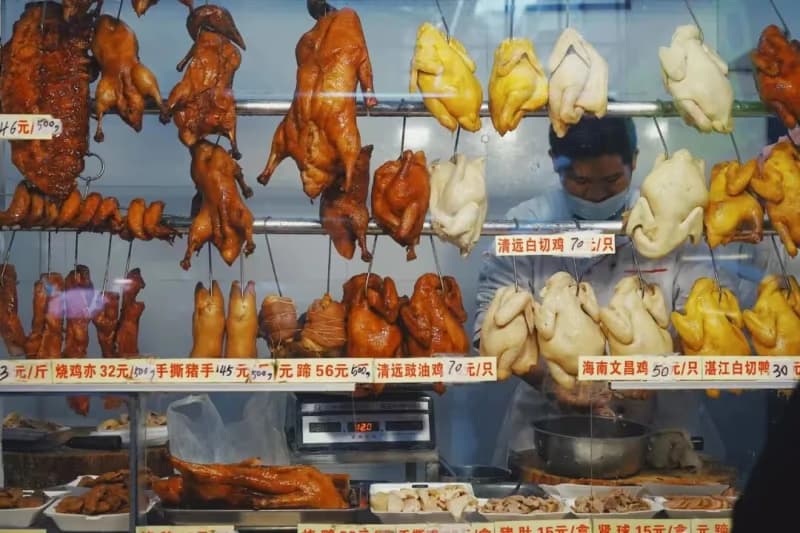
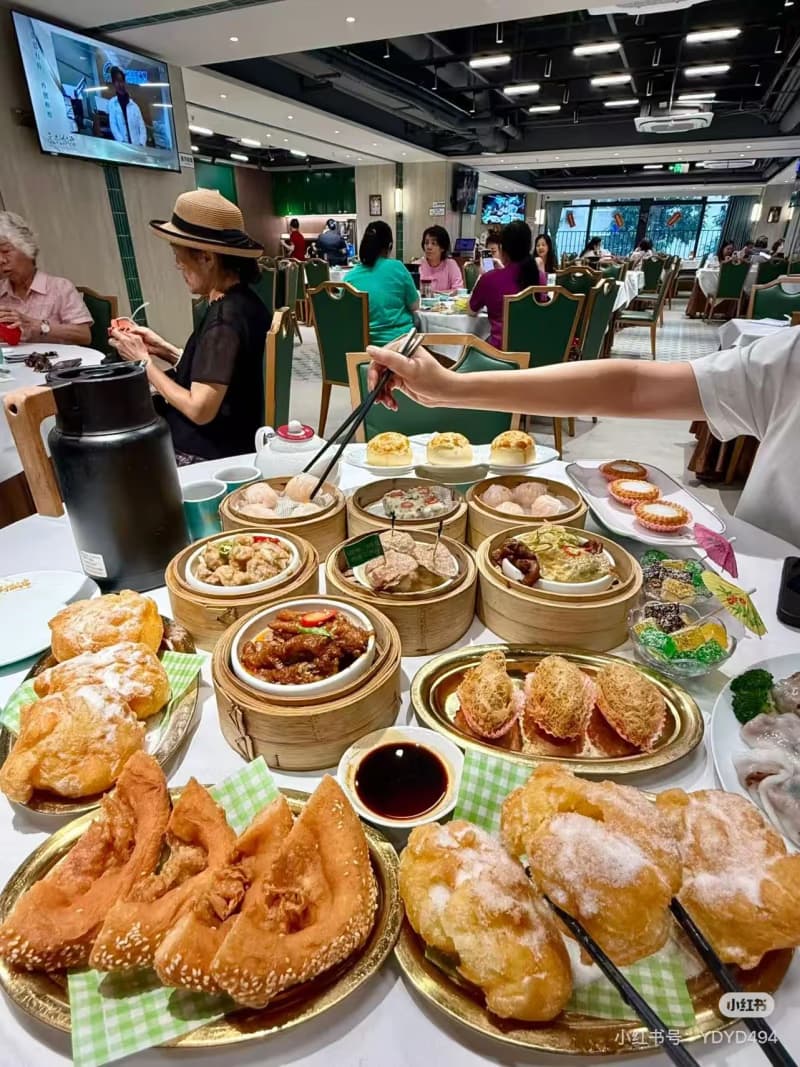
- The Lunch Banquet: Lunches feature authentic Cantonese dishes (dim sum, roast goose, steamed fish). Let the host serve you first, try small portions of unfamiliar dishes politely, and keep conversations focused on family, travel impressions of China, and long-term partnership goals.
Practical Information
| Item | Details |
|---|---|
| Departure Hubs in Guangzhou | Guangzhou South Station (Line 2/7/22) & Guangzhou East Station (Line 1/3) |
| Train Ticketing App | Official 12306 app or major booking portals (bring passport for boarding) |
| Local Communication | WeChat voice and text messaging (essential for coordinating driver pickups) |
| Suggested Attire | Business casual with flat, closed-toe walking shoes (avoid open sandals in factories) |
| Related Logistics Guide | How to Use High-Speed Rail in China |
FAQ
Should I pay for my lunch during a factory visit?
No. In Chinese business culture, the host manufacturer covers lunch and local transport. Attempting to pay the bill can embarrass the host. Instead, express genuine appreciation, send a thank-you note on WeChat, and consider offering a small, tasteful souvenir from your home country (e.g., chocolates, local specialty biscuits, or a corporate pen).
Is it safe to visit factories without an interpreter?
If you arranged the visit with an export sales representative from the Canton Fair, that representative will accompany you and act as your translator during the tour. If visiting small tier-2 factories found through domestic channels, hiring an independent English-speaking bilingual guide or sourcing consultant is strongly advised.