What This Experience Is
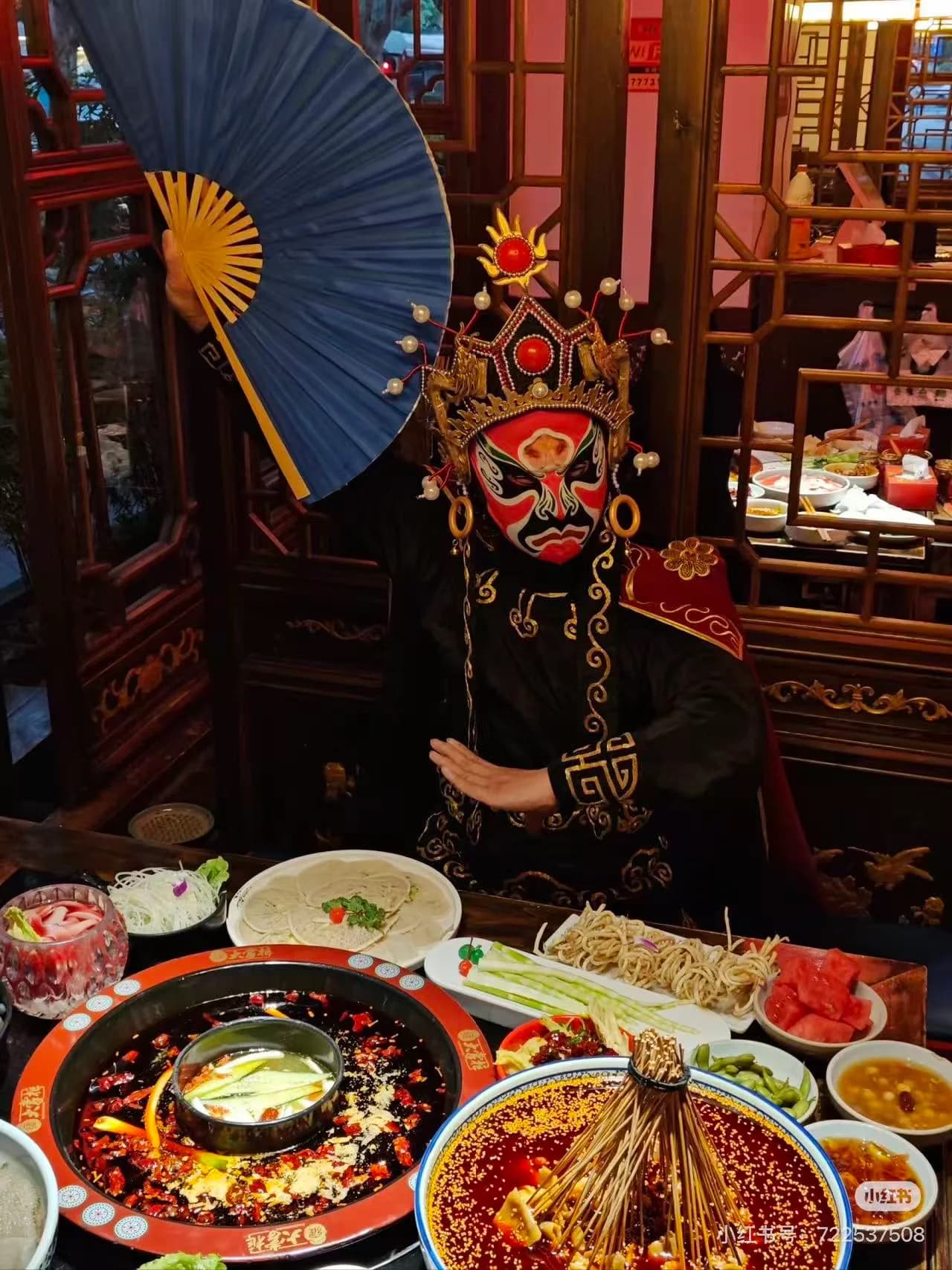
At a Sichuan-style hotpot place you choose the base (all-red, split “yinyang,” or clear soup), order items to cook (tripe, duck intestine, aorta, vegetables, etc.), and cook and dip at your table; a meal usually runs 1–2 hours and you pay by head and what you order; most places don’t need a booking, just walk in. It’s not a “thousand-year hotpot culture” class or a must-do “ritual”—it’s how locals often eat together; pick your spice level and order what you like. Butter or oil bubbling in the divider, tripe and duck intestine in for a few seconds then into the oil dip—many leave Chengdu or Chongqing still thinking of that taste.
In a sentence: About ¥80–150 per person, 1–2 hours for a meal, base can be spicy or not; one hotpot meal in Chengdu or Chongqing is the quickest way to see how locals eat.
Is It Worth It
If you’re in Chengdu or Chongqing and want a proper local “big meal,” hotpot is well worth a slot: okay with spice (or split/clear soup), okay with clothes smelling of it and a noisy room, and happy to spend 1–2 hours at the table dipping and chatting—then you’ll have a good time. Fine with offal? Order tripe and duck intestine; if not, stick to beef, lamb and vegetables and you’ll still eat well. Can’t do spice at all and don’t want to touch the split pot? Skip and go to a Sichuan restaurant instead; worried about sharing one pot? Most places give you your own pot; the shared dipping station is the only shared part. Want quiet, upmarket and no smell? Hotpot is generally loud and oily; and if you only have 30 minutes to “check in,” it’s not the right choice—hotpot needs a full meal. If you’re okay with spice (or split pot), oil and a bit of noise, many leave with the satisfaction of “I’ll come back for another dip.”
The Real Experience
Choosing a Place and Arriving
- Chengdu and Chongqing have hotpot everywhere, from chains (Xiaolongkan, Dalongyi, Haidilao, etc.) to small street shops; most don’t require booking but meal times can mean a queue. Once in, staff will seat you and hand a menu or point you to scan to order; choose the base first, then the items to cook.
What it feels like: Busy at meal times is normal; many come for that atmosphere. While you wait you can decide on base and must-order items.
Choosing the Base and Ordering
- All-red: Beef fat or oil, often medium or extra spicy; avoid if you can’t do spice. Split (yinyang): Half red, half clear (bone, mushroom, etc.); you can only use the clear side or try the red then retreat to clear. All clear: No spice, for anyone who doesn’t want heat. Many places let you choose level (mild, medium, extra hot); first time, go mild or split and add heat if needed. Common items: tripe, duck intestine, aorta, beef/lamb slices, luncheon meat, potato, lettuce, tofu, etc.; by portion or plate, portions are usually generous. Offal is classic; if you’re not into it, order less or skip and load up on meat and veg. Oil dip (sesame oil, garlic, cilantro, etc.) is often self-serve or staff will ask; it cools and mellows the spice—try it at least once.
What it feels like: Tripe and duck intestine shouldn’t cook long—a few to a dozen seconds; the pot keeps boiling and steam and smell stick to your clothes; many places have aprons or extraction. Clothes and hair will smell of hotpot; change or air out back at the hotel. Red soup is oily; if your stomach is sensitive, split or clear is safer.
During the Meal
- You cook and fish out yourself; the room is usually loud, good for chat. 1–2 hours for a meal is normal; some places have long queues and uneven service; popular chains are more consistent but can feel more “standard.”
What it feels like: Many leave smelling of hotpot and feeling “we ate well”; even if you don’t do spice you can finish a meal on the split or clear side and still feel part of it.
How to Do It (Guide for International Visitors)
Booking and Queues
- Most hotpot places don’t need advance booking; just show up. At meal times (after 18:00, weekends) you may queue; go off-peak or early. Chains like Haidilao have app/phone queue—you can take a number in advance.
Payment
- Mostly mobile scan (WeChat/Alipay); some take cash. Have How to Pay in China ready.
Cost Reference
| Item | Reference |
|---|---|
| Per person | About ¥80–150, by city, venue and order; drinks extra |
Common Mistakes
Mistake 1: Going all-red or medium spice from the start — “Mild” in Sichuan is already hot for many; start with split or mild and add if needed.
Mistake 2: Cooking tripe and duck intestine too long — They get tough; a few to a dozen seconds is enough.
Mistake 3: Skipping the oil dip — It cools and mellows the spice and adds flavour; try garlic sesame oil at least once.
Mistake 4: Thinking you must order offal — Not into it? Order less or skip; more beef, lamb and vegetables still fills you up.
Mistake 5: Not allowing enough time — Hotpot is a meal, not a snack; allow at least 1–1.5 hours; if you’re in a rush, pick something else.
Who It’s For / Who It’s Not For
A good fit: You’re in Chengdu, Chongqing or elsewhere in Sichuan and want a proper local “big meal”; you’re okay with spice (or split pot), clothes smelling of it and a noisy room.
If you care more about no spice and no split pot, quiet and upmarket and no smell, or only 30 minutes—go to a Sichuan restaurant or another experience.
Tip: First time or can’t do spice? Order split or clear; dipping station is often self-serve—don’t use your own chopsticks on the shared condiments.
Before You Go Checklist
- [ ] Okay with spice (or split/clear soup) and stomach is fine
- [ ] Allow at least 1–1.5 hours; don’t rush to the next thing
- [ ] Mobile pay working or some cash How to Pay in China
- [ ] Expect smell, noise and oil—only go if you’re okay with that
One hotpot meal in Sichuan is the most direct lesson in “how locals eat”: base is your choice, spice is adjustable, and you can finish a meal on the split or clear side without any heat. Many leave thinking “I’ll come back for another dip”; worth planning a meal for.
FAQ
What are the top things to do in Chengdu?
We recommend exploring the historical landmarks, walking through traditional neighborhoods to experience daily life, trying regional food specialties at local night markets, and taking a night cruise or viewing the skyline.
Where are the best photography spots in Chengdu?
Great shots can be captured during golden hour around historic temple complexes, from high-altitude city viewpoints, or from pedestrian bridges overlooking modern skylines.
Is Chengdu safe for travelers?
Yes, Chengdu is exceptionally safe with low crime rates. Standard precautions apply: keep an eye on belongings in crowded tourist spots and use official ride-hailing apps rather than unmarked taxis.
Where are the best scenic areas in Chengdu?
Explore the famous natural reserves, historic temples, and scenic viewpoints. Going early in the morning helps you avoid peak crowds.
When is the best time to visit Chengdu?
Spring (April-May) and autumn (September-October) offer the most comfortable weather for sightseeing. It is best to avoid major national holidays like Golden Week when domestic crowds are very high.
What should first-time visitors know about Chengdu?
First-time visitors should focus on central historic areas, utilize the metro for transport, and book major museum or landmark tickets online at least several days in advance.