Last updated: April 2026
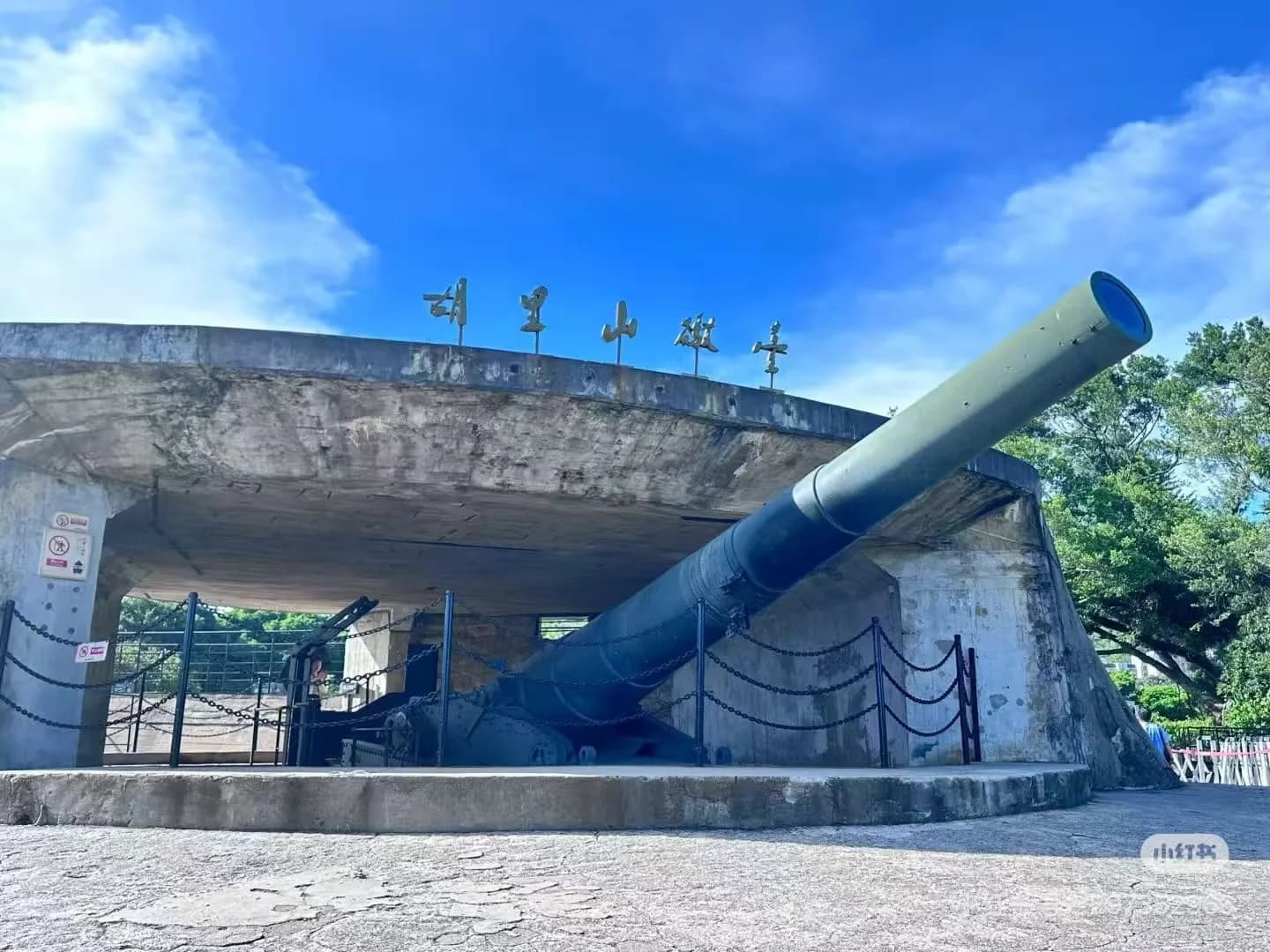
A 13-meter-long, 50-ton German Krupp cannon rests on a granite fortification, its muzzle facing the sea. Built in Essen in 1893, this cannon arrived by ship and was installed on a platform constructed specifically for it. 130 years later, it occupies the exact spot where it was first mounted. In 2000, Guinness World Records certified it as the world's oldest, largest, and still-in-place 19th-century coastal defense cannon. This is not a museum artifact — this is a functional weapon system in its original location.
What Makes it Worth It
China's coastlines hold many Qing-era fortification ruins. Most are reduced to foundation walls and stone plaques. Hulishan differs in three concrete ways.
The Krupp cannon itself. A 280-millimeter bore, over 16-kilometer range, 84 rifled grooves — this represented one of the world's most advanced coastal defense weapons in 1893. The Qing government paid 80,000 silver taels to import it from Essen. An empire under assault from Western powers purchased Western weapons to defend itself against Western invasion. That contradiction encapsulates late-Qing history. On September 3, 1937, this cannon sank the Japanese destroyer Wakatake during wartime combat — its single confirmed combat record.
Construction methods. Granite forms the main structure, but the binding agent is tri-component mortar — sand, lime, glutinous rice juice, and camphor tree resin mixed together. This is traditional Chinese building material engineered into a modern military installation. The entire fortress blends elements: European design philosophy, Chinese materials, German armament.
Preservation condition. Underground ammunition magazines, barracks, command tower, and trench systems remain intact and accessible. You encounter not just a cannon, but a complete functioning 19th-century coastal defense infrastructure system.
What to Expect
The entire fortress grounds are compact. Most visits take 1.5 to 2 hours.
The entrance displays a collection of 50-plus cannons spanning Ming and Qing dynasties, arranged by size. These provide context. When you reach the Krupp cannon's position, the scale gap becomes apparent — earlier cannons resemble toys against the industrial machine that is the Krupp gun.
The main cannon zone permits close viewing of the bore markings and rifled grooves. Descriptive plates detail firing parameters and history.
Underground passages warrant exploration. Ammunition magazines and tunnels contain wax figures depicting Qing soldiers in period dress, performing work duties. Candlelit corridors create appropriate atmosphere.
Military drills occur twice daily at 10:00 and 16:00. Actors in Qing uniforms perform formation exercises and simulated firing sequences. Each session runs 15-20 minutes. Coordinate arrival with performance times.
The fortress sits on Hulishan hilltop at Xiamen island's southeastern corner, facing open ocean. From the gun platform, you see the Ring Road coastal line and distant islands. The seascape itself merits a few minutes of observation.
Don't Miss
- Compare the cannons — Study the Ming-Qing collection, then look at the Krupp cannon. Two centuries of military technology evolution sit side by side. The visual contrast teaches a lot.
- Explore the underground ammunition storage — Most visitors photograph the main cannon and leave. The underground sections get overlooked, but they show how the entire fortress actually worked as a system.
- Time the performances — Shows run at 10:00 and 16:00 only. Get there 15 minutes early for a good spot, then explore the grounds afterward.
Practical Information
| Item | Details |
|---|---|
| Entry fee | ¥25 |
| Hours | 08:00–18:00 (no entry after 17:30) |
| Visit duration | 1.5–2 hours |
| Drill performances | Daily at 10:00 and 16:00, approximately 15–20 minutes each |
| Address | 2 Zengcuoan Rd, Siming District, Xiamen |
Payment: Alipay and WeChat Pay work. Small vendors may accept cash only.
Prices are indicative — confirm before booking.
Getting There
- Bus: Hulishan Station stop serves routes 1, 21, 22, 45, 48, 96 (plus others). Walk 2 minutes from stop.
- Taxi from Nanputuo Temple: Approximately 10 minutes, ¥10–15.
- Taxi from Zhongshan Rd: Approximately 15 minutes, ¥15–20.
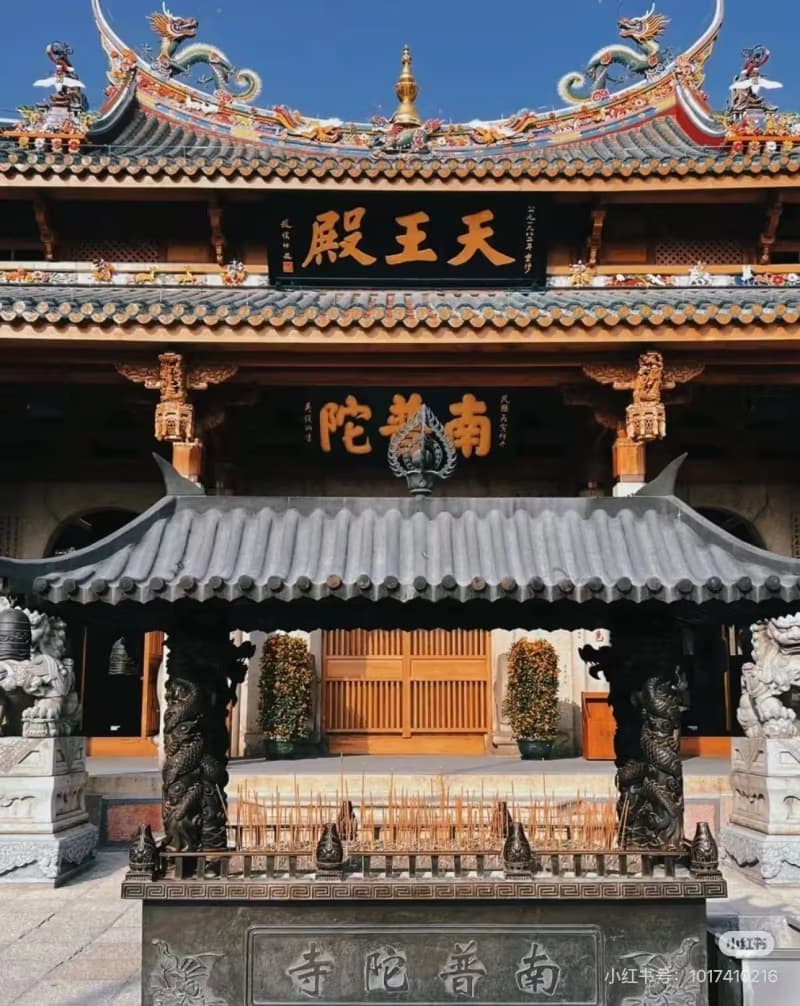
No direct subway access. Nearest metro requires bus transfer. Taxis are most convenient. Hulishan pairs well with Nanputuo Temple and Xiamen University — all three are adjacent; combine them into a single half-day outing.
Common Mistakes
- Underestimating sun exposure — The entire site is outdoors with no covered areas. Summer heat is intense. Bring water and sunscreen.
- Ignoring stair load — The fortress sits on a hillside. Numerous stone steps connect levels. Not wheelchair accessible.
- Missing performance windows — Drills happen only at set times. Once 16:00 ends, wait until tomorrow.
- Treating it as standalone — Combine with Nanputuo Temple and Xiamen University on the same half-day itinerary for maximum efficiency.
Before You Go Checklist
- [ ] Confirm today's drill performance times (10:00 or 16:00)
- [ ] Bring water and sunscreen — zero shade over the entire grounds
- [ ] Wear comfortable walking shoes — many stairs
- [ ] Prepare ¥25 cash or mobile payment for entry fee
A German cannon from 1893 sits on a fortress built with traditional Chinese mortar, still facing the sea. It's a straightforward place — the juxtaposition is the main point. If you're doing Nanputuo Temple and Xiamen University, Hulishan is only a 30-minute addition since they're all close to each other.
FAQ
What is the best way to explore Xiamen tips?
We recommend planning ahead, reading local travel guides, using public transit, and focusing on highly rated spots during off-peak hours.
What local foods must I try in Xiamen?
Don't miss the regional signature dishes, local street food snacks, and fresh dumplings. Look for busy local restaurants where you see crowds of residents dining.
What should I pack when traveling to Xiamen?
Pack lightweight, breathable layers for summer, and heavy thermal wear with a down jacket for winter. Don't forget comfortable walking shoes, a power bank, and to download payment apps like Alipay and WeChat Pay before you arrive.
What should first-time visitors know about Xiamen?
First-time visitors should focus on central historic areas, utilize the metro for transport, and book major museum or landmark tickets online at least several days in advance.
When is the best time to visit Xiamen?
Spring (April-May) and autumn (September-October) offer the most comfortable weather for sightseeing. It is best to avoid major national holidays like Golden Week when domestic crowds are very high.
How can I experience local culture in Xiamen?
Visit ancient Buddhist or Taoist temples, attend local theatrical performances, explore traditional tea houses, and walk through preservation districts showing traditional architecture.